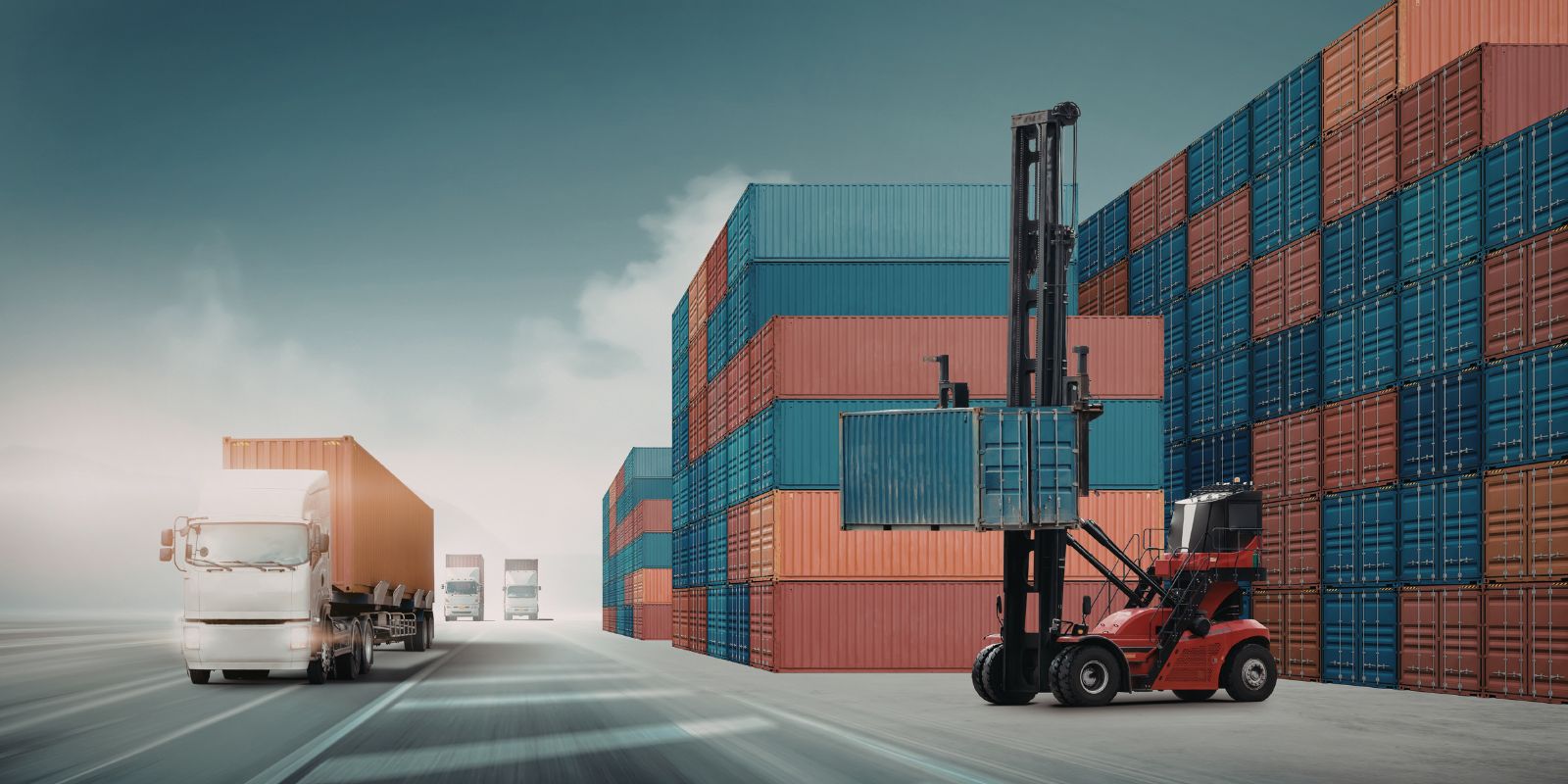
In today’s fast-paced and highly competitive market, warehouse operations have become the backbone of business success. From retail and e-commerce to manufacturing and FMCG distribution, warehouses are no longer just storage spaces—they are dynamic operational hubs that directly influence customer satisfaction, delivery timelines, and overall profitability. At the center of this transformation is warehouse talent supporting business operations.
Skilled, motivated, and well-trained warehouse professionals ensure that products move seamlessly from suppliers to customers. As businesses scale, diversify, and adopt new technologies, the role of warehouse talent continues to grow in importance. This article explores how warehouse professionals strengthen business operations, why talent investment matters, and how organizations can build high-performing warehouse teams.
The Evolving Role of Warehouses in Business
Traditionally, warehouses were viewed as cost centers focused solely on storage and inventory handling. Today, they are strategic assets that directly affect:
- Order fulfillment speed
- Inventory accuracy
- Supply chain reliability
- Customer experience
- Business growth and scalability
Modern warehouses integrate automation, data analytics, and smart inventory systems. However, even with advanced technology, human talent remains the driving force behind operational success. Without skilled workers to manage systems, handle goods, and solve problems, technology alone cannot deliver results.
Why Warehouse Talent Matters More Than Ever
1. Operational Efficiency
Warehouse employees manage picking, packing, loading, dispatching, and inventory tracking. Trained professionals complete these tasks faster and with fewer errors, reducing delays and improving productivity.
2. Accuracy and Compliance
Mistakes in warehouses can lead to shipment errors, inventory losses, and customer dissatisfaction. Skilled warehouse staff ensure accuracy, follow safety standards, and comply with regulatory requirements.
3. Cost Control
High-performing teams minimize waste, reduce returns, prevent damages, and optimize storage space. This directly lowers operational costs and improves profit margins.
4. Customer Satisfaction
On-time and accurate deliveries build trust. Warehouse talent plays a direct role in maintaining service levels and brand reputation.
Key Roles That Support Business Operations
Warehouse Managers
They oversee daily operations, manage staff, ensure safety compliance, and implement performance improvements. Their leadership aligns warehouse goals with business objectives.
Inventory Controllers
They monitor stock levels, manage audits, and prevent shortages or overstocking. Accurate inventory is essential for smooth business operations.
Pickers and Packers
These employees handle the physical movement of goods. Their speed, accuracy, and organization directly affect order fulfillment performance.
Forklift and Equipment Operators
They manage material handling safely and efficiently, ensuring smooth movement across the warehouse floor.
Quality Control Staff
They inspect goods, prevent damaged shipments, and ensure that customers receive high-quality products.
How Warehouse Talent Drives Business Growth
Faster Order Fulfillment
Efficient warehouse teams reduce processing times, enabling same-day or next-day deliveries that customers now expect.
Scalable Operations
As businesses grow, warehouse teams help handle increased order volumes without disrupting service quality.
Improved Inventory Visibility
Skilled workers maintain real-time stock updates, allowing better planning and demand forecasting.
Enhanced Supply Chain Reliability
Warehouses serve as the link between production and distribution. Reliable teams ensure continuous product flow.
Training and Development: A Business Investment
Companies that invest in training see measurable results:
- Higher productivity
- Lower employee turnover
- Reduced errors
- Better safety records
Training programs should focus on:
- Warehouse management systems (WMS)
- Safety and compliance
- Equipment handling
- Time management
- Team communication
Upskilling warehouse employees not only improves operations but also builds loyalty and long-term workforce stability.
Technology and Human Talent: A Powerful Combination
Automation, robotics, barcode scanning, and inventory software improve speed and accuracy. But technology is only effective when supported by skilled professionals who can:
- Operate systems
- Troubleshoot errors
- Analyze performance data
- Adapt to process changes
The future of warehousing depends on the balance between digital tools and human expertise.
Challenges in Warehouse Staffing
Many businesses face:
- High employee turnover
- Skill shortages
- Seasonal demand fluctuations
- Safety concerns
To overcome these challenges, companies must focus on employee engagement, competitive wages, safe working environments, and career growth opportunities.
Building a High-Performance Warehouse Team
1. Hire for Skills and Attitude
Technical skills can be taught, but reliability and teamwork are essential traits.
2. Offer Career Growth
Promotions, training, and leadership opportunities motivate employees.
3. Encourage Communication
Clear goals and feedback improve performance and morale.
4. Prioritize Safety
Safe workplaces reduce injuries, absenteeism, and operational disruptions.
The Business Impact of Strong Warehouse Talent
Businesses with skilled warehouse teams experience:
- Faster deliveries
- Lower operating costs
- Better inventory accuracy
- Higher customer retention
- Stronger competitive advantage
In a world where customers expect speed, reliability, and transparency, warehouse talent becomes a key differentiator.
Conclusion
Warehouse talent supporting business operations is no longer optional—it is essential. From managing inventory and fulfilling orders to ensuring safety and accuracy, warehouse professionals play a vital role in keeping businesses running smoothly.