
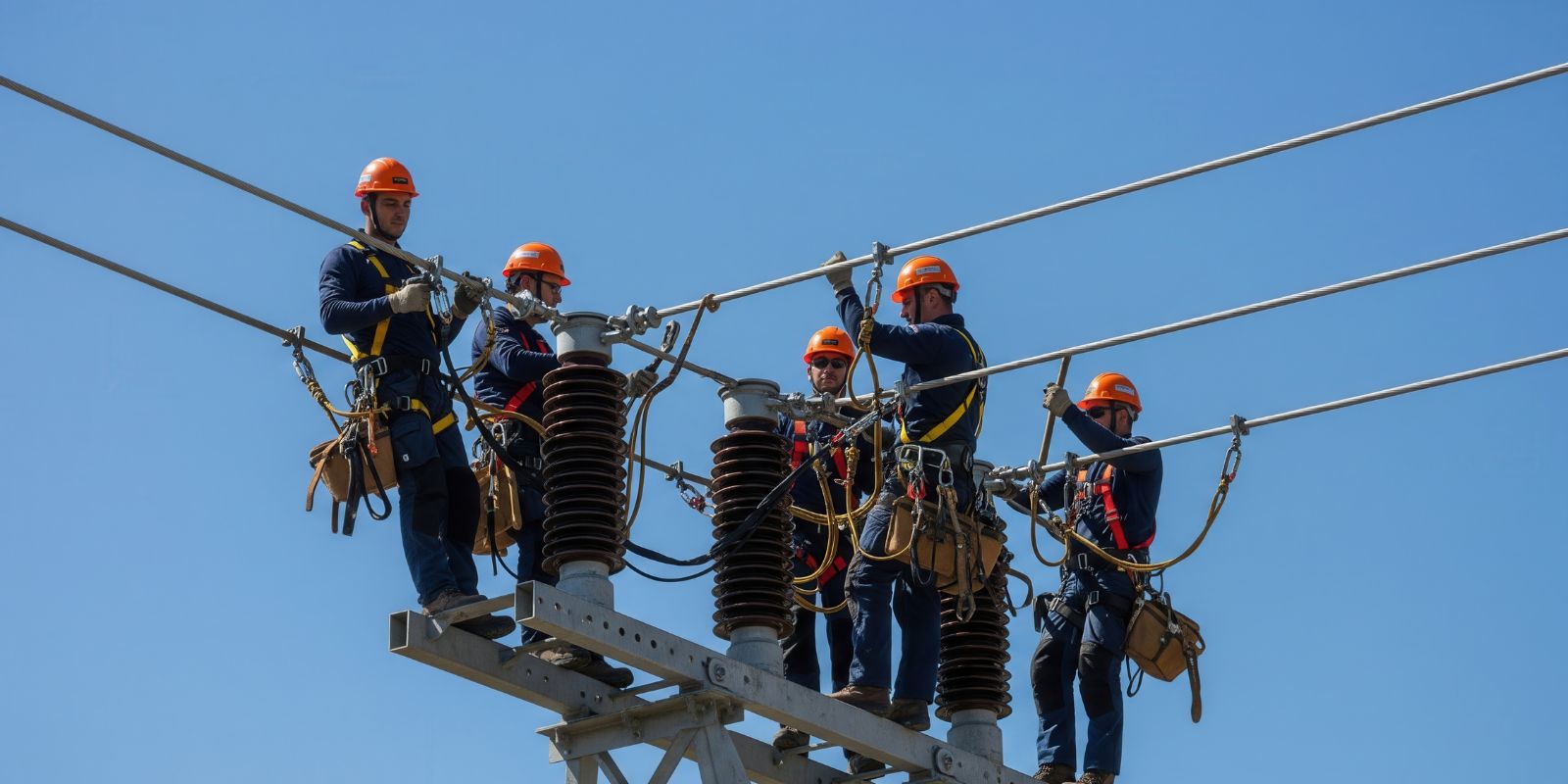
Industrial expansion is no longer driven solely by machines, capital investment, or technology. At the heart of every successful industrial growth story lies a powerful workforce — skilled labor. From manufacturing plants and logistics hubs to construction projects and energy facilities, industries rely on trained, adaptable, and experienced workers to transform business plans into operational reality.
As global competition intensifies and automation evolves, the demand for skilled labor is growing faster than ever. Companies that invest in workforce development and strategic hiring gain a significant advantage in productivity, quality, and long-term sustainability. This article explores how skilled labor fuels industrial expansion, the challenges industries face, and the strategies businesses can adopt to build a future-ready workforce.
The Role of Skilled Labor in Industrial Growth
Industrial expansion requires more than physical infrastructure. It demands people who can operate machinery, manage processes, maintain safety standards, and innovate solutions. Skilled workers bring technical expertise, problem-solving abilities, and industry knowledge that directly influence efficiency and output.
From CNC machine operators and welders to maintenance engineers and quality controllers, each role supports the production cycle. Without skilled professionals, even the most advanced technology fails to deliver expected results. In this way, labor is not a cost but a strategic investment that drives revenue growth and operational excellence.
Why Skilled Workers Are Essential for Modern Industries
Modern industries are highly technical and data-driven. Automation, robotics, and smart manufacturing systems require workers who can interpret data, manage digital tools, and troubleshoot complex systems. Skilled labor bridges the gap between technology and performance.
A trained workforce reduces machine downtime, improves product quality, and enhances safety compliance. Skilled workers also contribute to innovation by identifying better production methods and optimizing workflows. Their knowledge becomes a competitive edge that accelerates industrial success.
Impact on Productivity and Operational Efficiency
Productivity is one of the strongest indicators of industrial growth. Skilled workers complete tasks faster, with fewer errors, and with greater consistency. This leads to higher output, lower waste, and better resource management.
When employees understand processes deeply, they make informed decisions that prevent breakdowns and production delays. Their efficiency allows organizations to meet rising market demand without sacrificing quality or safety. As a result, skilled labor directly influences profitability and business scalability.
Addressing the Skilled Labor Shortage
Many industries face a shortage of skilled workers due to aging workforces, rapid technological change, and limited vocational training. This gap can slow down expansion plans and increase recruitment costs.
To overcome this challenge, companies must partner with training institutions, invest in upskilling programs, and create attractive career pathways. Apprenticeships, certifications, and on-the-job training help develop talent while building loyalty and reducing turnover.
Workforce Development as a Growth Strategy
Successful industrial organizations treat workforce development as a long-term strategy rather than a short-term solution. Continuous training ensures employees stay current with evolving technologies and industry standards.
By offering learning opportunities, companies motivate employees to grow professionally. This not only improves skill levels but also strengthens workplace culture. Employees who feel valued and supported are more likely to stay, contribute, and perform at higher levels.
The Role of Staffing Solutions in Expansion
Strategic staffing partners play a vital role in industrial expansion. They help organizations quickly source qualified candidates, manage workforce fluctuations, and reduce hiring risks. With access to large talent pools, staffing agencies match the right skills to the right roles.
This flexibility allows companies to scale operations efficiently without compromising productivity. Whether it’s temporary labor for peak seasons or permanent hires for long-term growth, staffing solutions provide the workforce stability needed for expansion.
Safety, Compliance, and Quality Standards
Industrial environments require strict adherence to safety and compliance regulations. Skilled workers are trained to follow safety protocols, operate machinery correctly, and recognize potential hazards. This minimizes accidents and protects both employees and assets.
Quality assurance is another area where skilled labor makes a difference. Trained professionals ensure that products meet industry standards, reducing defects and enhancing customer satisfaction. This reliability strengthens brand reputation and market competitiveness.
Innovation Through Skilled Talent
Skilled workers are not just operators; they are problem-solvers and innovators. Their experience allows them to identify inefficiencies, suggest improvements, and contribute to process optimization.
When companies encourage collaboration and knowledge sharing, skilled employees become drivers of innovation. This culture of continuous improvement supports long-term industrial growth and adaptability in changing markets.
Building a Future-Ready Workforce
The future of industrial expansion depends on a workforce that is agile, knowledgeable, and technology-driven. Businesses must focus on digital literacy, cross-training, and leadership development.
By aligning workforce strategies with business goals, companies ensure sustainable growth. Investing in people today creates a resilient organization capable of handling tomorrow’s challenges.
Conclusion
Skilled labor is the backbone of industrial expansion. It drives productivity, supports innovation, ensures safety, and enhances operational efficiency. As industries evolve, the demand for trained professionals will continue to rise.


