
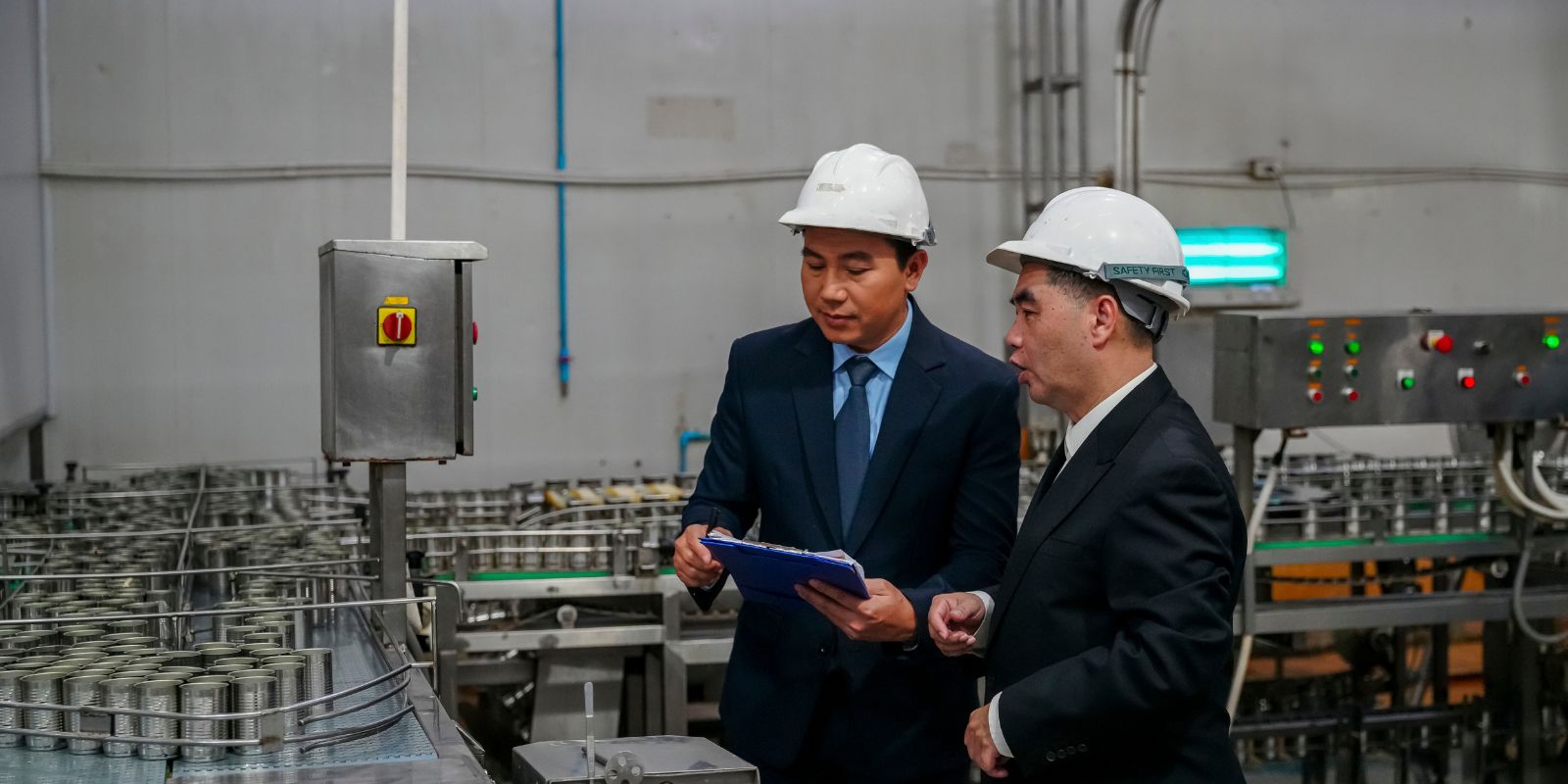
In today’s fast-moving manufacturing environment, success depends on more than advanced machinery and automated systems. The real competitive edge comes from having the right people in the right roles at the right time. This is where Production Workforce Planning Solutions play a vital role. They help organizations balance productivity, cost control, and workforce stability while meeting shifting market demands.
Manufacturers face increasing pressure from fluctuating customer orders, global supply chain disruptions, and evolving technology. Without a strong workforce planning strategy, production lines can suffer from skill shortages, overstaffing, absenteeism, and high turnover. Production workforce planning solutions provide a structured, data-driven approach to forecasting labor needs, optimizing schedules, and building a resilient workforce that supports long-term growth.
What Are Production Workforce Planning Solutions?
Production workforce planning solutions are systems, processes, and strategies designed to align labor supply with production demand. They combine workforce analytics, forecasting tools, and operational planning to ensure manufacturing teams are prepared for both current and future workloads.
These solutions go beyond simple headcount management. They help organizations understand:
- Which skills are needed on the shop floor
- How many workers are required per shift
- When additional labor will be needed
- Where productivity gaps exist
- How to prepare for future growth or seasonal spikes
By integrating production data with workforce data, manufacturers can make smarter staffing decisions that reduce waste and maximize output.
Why Workforce Planning Is Critical in Production
Manufacturing operations rely heavily on timing, coordination, and consistency. Even a small shortage of skilled workers can slow down production, cause quality issues, or lead to missed deadlines. On the other hand, overstaffing increases labor costs and reduces profitability.
Production workforce planning solutions help manufacturers strike the right balance by providing clarity and control. They allow companies to:
- Avoid costly overtime and idle labor
- Improve shift coverage
- Reduce production bottlenecks
- Maintain product quality
- Enhance employee satisfaction
When workforce planning is aligned with production goals, companies gain better visibility into their operations and can respond quickly to market changes.
Key Components of Production Workforce Planning
Effective production workforce planning solutions typically include several core components that work together to create a complete staffing strategy.
Demand Forecasting
This involves predicting future production volumes based on sales forecasts, customer orders, and market trends. Workforce requirements are then calculated based on these projections.
Skill Mapping
Every production line requires specific technical and operational skills. Skill mapping identifies what competencies exist within the workforce and where gaps may occur.
Capacity Planning
This ensures that the available workforce can handle projected production volumes without causing burnout or inefficiency.
Scheduling and Shift Planning
Optimized scheduling ensures the right number of employees with the right skills are present for every shift.
Workforce Analytics
Data-driven insights help managers track productivity, absenteeism, turnover, and performance trends.
How Technology Enhances Workforce Planning
Modern production workforce planning solutions are powered by advanced software platforms that integrate with manufacturing execution systems (MES) and enterprise resource planning (ERP) tools. These technologies provide real-time visibility into both production performance and labor availability.
With digital workforce planning tools, manufacturers can:
- Automatically generate optimized shift schedules
- Monitor workforce utilization
- Predict labor shortages before they occur
- Run scenario planning for different production levels
- Adjust staffing plans in real time
This level of automation and insight enables faster decision-making and more accurate workforce alignment.
Reducing Costs Through Smarter Workforce Planning
Labor is one of the largest expenses in any production environment. Poor planning leads to unnecessary overtime, temporary staffing costs, and high turnover. Production workforce planning solutions help reduce these expenses by ensuring labor is used efficiently.
By matching staffing levels to actual production needs, organizations can:
- Lower overtime costs
- Minimize idle time
- Reduce reliance on agency workers
- Improve workforce retention
Employees also benefit from more predictable schedules and fair workloads, which increases engagement and reduces attrition.
Improving Productivity and Output
A well-planned workforce leads directly to higher productivity. When the right people are assigned to the right tasks, production lines run smoothly and downtime is minimized.
Production workforce planning solutions allow managers to:
- Assign skilled workers to critical operations
- Balance workloads across teams
- Reduce machine downtime caused by staffing gaps
- Maintain consistent production quality
The result is a more stable, efficient manufacturing operation that can meet customer demands reliably.
Managing Seasonal and Demand Fluctuations
Many manufacturing businesses experience seasonal peaks or unpredictable demand changes. Without flexible workforce planning, these fluctuations can lead to either labor shortages or excess staffing.
Production workforce planning solutions help companies prepare for these variations by enabling:
- Temporary workforce scaling
- Cross-training of employees
- Flexible shift arrangements
- Predictive hiring strategies
This flexibility allows manufacturers to remain agile without sacrificing efficiency or employee morale.
Supporting Long-Term Business Growth
Workforce planning is not just about solving today’s problems. It also plays a crucial role in long-term business growth. As companies expand into new markets or introduce new product lines, they need a workforce that can adapt and grow.
Production workforce planning solutions help leaders:
- Identify future skill requirements
- Plan training and development programs
- Prepare for automation and digital transformation
- Build leadership pipelines within production teams
By investing in workforce planning today, manufacturers ensure they have the talent needed to succeed tomorrow.
Workforce Planning and Quality Control
Quality is a top priority in production environments. Mistakes caused by understaffing, fatigue, or lack of training can result in costly rework or customer complaints.
With strong production workforce planning solutions, organizations can:
- Ensure skilled workers handle complex tasks
- Avoid overloading employees
- Maintain consistent production standards
- Reduce error rates
A well-balanced workforce supports both productivity and quality excellence.
Creating a Resilient Production Workforce
Unexpected events such as absenteeism, supply chain disruptions, or sudden demand spikes can disrupt operations. Workforce planning solutions help build resilience by providing contingency strategies and workforce visibility.
This includes:
- Backup staffing plans
- Cross-trained employees
- Rapid scheduling adjustments
- Data-driven risk management
A resilient workforce ensures production continues smoothly even when challenges arise.
Choosing the Right Workforce Planning Solution
When selecting a production workforce planning solution, manufacturers should look for tools that integrate easily with existing systems and provide real-time insights. Key features to consider include:
- Forecasting and analytics
- Shift scheduling automation
- Skill tracking
- Compliance management
- Reporting and dashboards
A solution that fits the organization’s size, complexity, and production style will deliver the greatest value.
Conclusion
In a competitive manufacturing landscape, people remain the most valuable asset. Production Workforce Planning Solutions provide the structure, insight, and flexibility needed to manage this asset effectively. By aligning labor resources with production goals, manufacturers can reduce costs, improve efficiency, maintain quality, and support sustainable growth.


