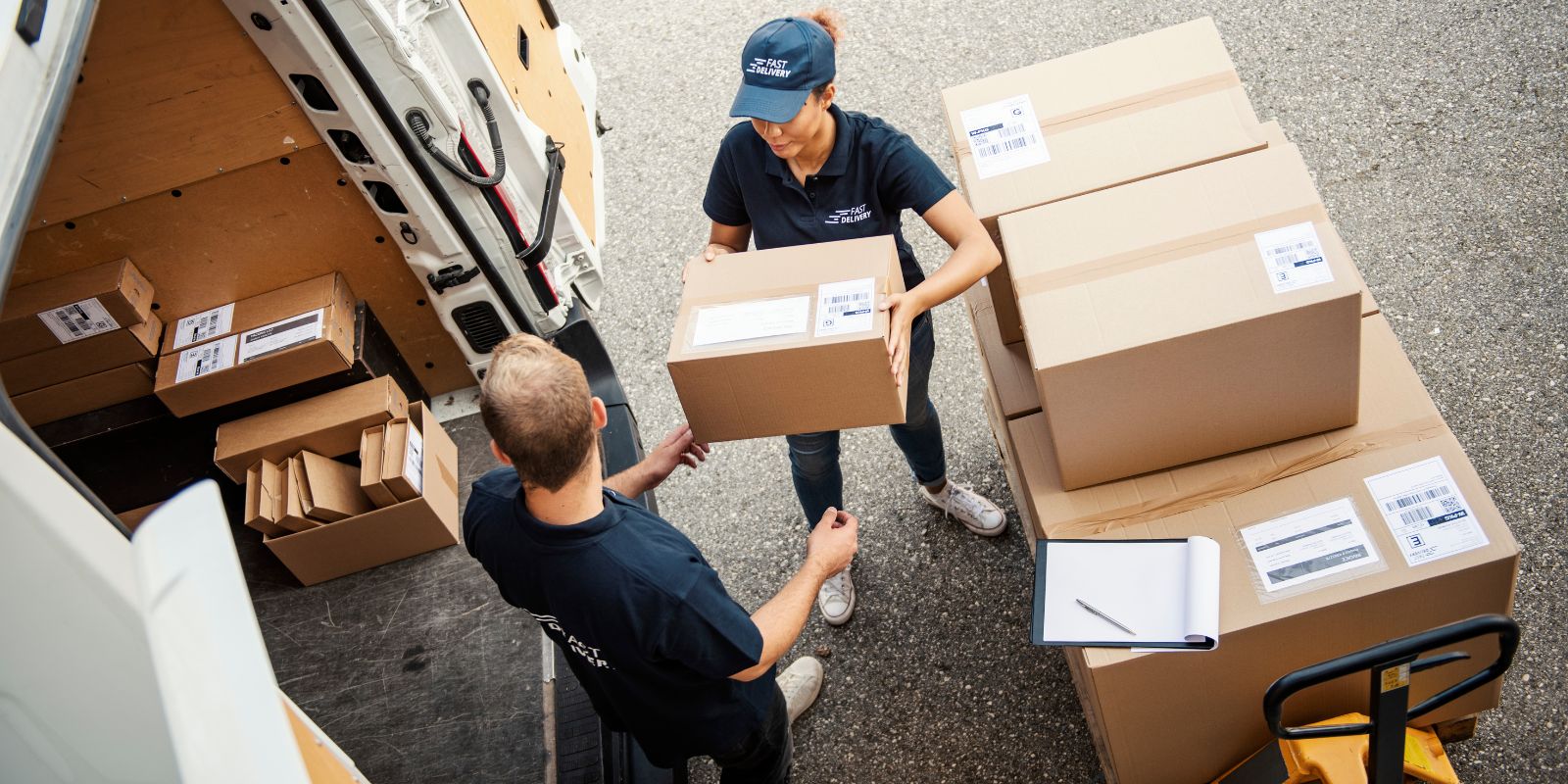
The last mile of delivery is often the most complex, expensive, and customer-visible stage of the supply chain. As e-commerce, on-demand services, and same-day delivery expectations continue to rise, organizations are under immense pressure to deliver faster, cheaper, and more reliably than ever before. At the center of this challenge lies a critical factor: people. Last-mile delivery workforce solutions play a defining role in ensuring operational efficiency, scalability, and customer satisfaction in today’s competitive logistics landscape.
Understanding the Last-Mile Delivery Challenge
Last-mile delivery refers to the final step of transporting goods from a distribution hub to the end customer. While it may cover the shortest physical distance, it accounts for a disproportionate share of total delivery costs. Urban congestion, unpredictable demand, customer availability, and narrow delivery windows all complicate execution.
Without the right workforce strategy, companies face missed deliveries, rising labor costs, high attrition, and declining service quality. Effective last-mile delivery workforce solutions address these issues by aligning people, technology, and processes to meet evolving delivery demands.
Why Workforce Solutions Matter in Last-Mile Delivery
Unlike upstream logistics operations, last-mile delivery is highly labor-intensive. Drivers, couriers, dispatchers, and support staff must work in coordination, often under tight time constraints. Workforce shortages or inefficiencies can immediately impact customer experience.
Modern last-mile delivery workforce solutions focus on:
- Ensuring adequate staffing during peak demand
- Improving driver productivity and route efficiency
- Reducing turnover and onboarding time
- Maintaining compliance and safety standards
- Supporting flexible delivery models
By optimizing workforce planning, organizations can control costs while maintaining high service levels.
Key Components of Effective Last-Mile Delivery Workforce Solutions
1. Flexible Staffing Models
Demand in last-mile delivery fluctuates daily and seasonally. Workforce solutions that incorporate full-time, part-time, contract, and gig workers provide the flexibility needed to scale operations quickly. This blended approach allows businesses to manage peak periods without overstaffing during slower times.
Flexible staffing models also enable rapid market expansion, helping companies launch delivery services in new locations without long-term workforce commitments.
2. Skilled and Trained Delivery Personnel
Last-mile delivery is no longer just about dropping off packages. Drivers often represent the brand at the customer’s doorstep. Workforce solutions emphasize hiring individuals with strong communication skills, local area knowledge, and a customer-first mindset.
Structured training programs covering navigation tools, customer interaction, safety protocols, and handling procedures ensure consistent service quality across delivery networks.
3. Technology-Enabled Workforce Management
Modern workforce solutions integrate digital tools to enhance visibility and control. Driver apps, route optimization software, real-time tracking, and automated scheduling systems improve productivity and reduce manual errors.
Technology-enabled workforce management also supports performance monitoring, helping organizations identify top performers, address gaps, and continuously improve delivery operations.
4. Rapid Hiring and Onboarding
Speed is critical in last-mile delivery. Workforce solutions that streamline recruitment, background checks, and onboarding enable companies to deploy delivery personnel quickly. Automated processes reduce time-to-hire while ensuring compliance with regulatory and safety requirements.
Efficient onboarding ensures new drivers are operational-ready from day one, minimizing disruptions during demand spikes.
Addressing Workforce Challenges in Last-Mile Delivery
High Attrition Rates
Driver turnover is a persistent challenge in last-mile delivery. Workforce solutions address this by offering predictable schedules, fair compensation, performance incentives, and clear growth pathways. Engaged drivers are more likely to stay longer and deliver consistent service.
Urban and Rural Coverage Gaps
Serving diverse geographies requires localized workforce strategies. Urban areas may demand higher delivery density and shorter routes, while rural regions require longer travel times and greater autonomy. Tailored workforce solutions ensure coverage across all service areas.
Compliance and Safety
Last-mile delivery involves regulatory requirements related to driving hours, insurance, vehicle standards, and worker classification. Workforce solutions help organizations remain compliant while minimizing legal and operational risks.
The Role of Gig and On-Demand Workforce Models
Gig-based delivery models have transformed last-mile logistics by enabling rapid scaling and cost flexibility. Workforce solutions that effectively manage gig workers focus on:
- Transparent payment structures
- Fair workload distribution
- Clear performance expectations
- Strong communication and support systems
When managed responsibly, gig workforce solutions enhance capacity without compromising service quality or brand reputation.
Improving Customer Experience Through Workforce Excellence
Customers increasingly judge brands by their delivery experience. Friendly drivers, accurate ETAs, and smooth handoffs build trust and loyalty. Last-mile delivery workforce solutions align staffing strategies with customer experience goals, ensuring every interaction reinforces brand value.
Workforce analytics help link delivery performance to customer feedback, enabling continuous improvement and service differentiation.
Scalability and Future-Ready Workforce Solutions
As delivery expectations evolve, workforce solutions must be adaptable. Emerging trends such as electric vehicle fleets, micro-fulfillment centers, and autonomous delivery will reshape last-mile operations. A future-ready workforce strategy emphasizes reskilling, adaptability, and integration with new technologies.
Organizations that invest in scalable workforce solutions today will be better positioned to meet tomorrow’s delivery challenges.
Measuring the Impact of Last-Mile Delivery Workforce Solutions
Success metrics for workforce solutions include:
- On-time delivery rates
- Cost per delivery
- Driver utilization and productivity
- Attrition and retention rates
- Customer satisfaction scores
Data-driven workforce management enables informed decision-making and long-term operational resilience.
Conclusion
Last-mile delivery is where logistics meets customer experience, and workforce solutions are the backbone of this critical function. By adopting flexible staffing models, investing in training and technology, and prioritizing driver engagement, organizations can overcome last-mile challenges and gain a competitive edge.