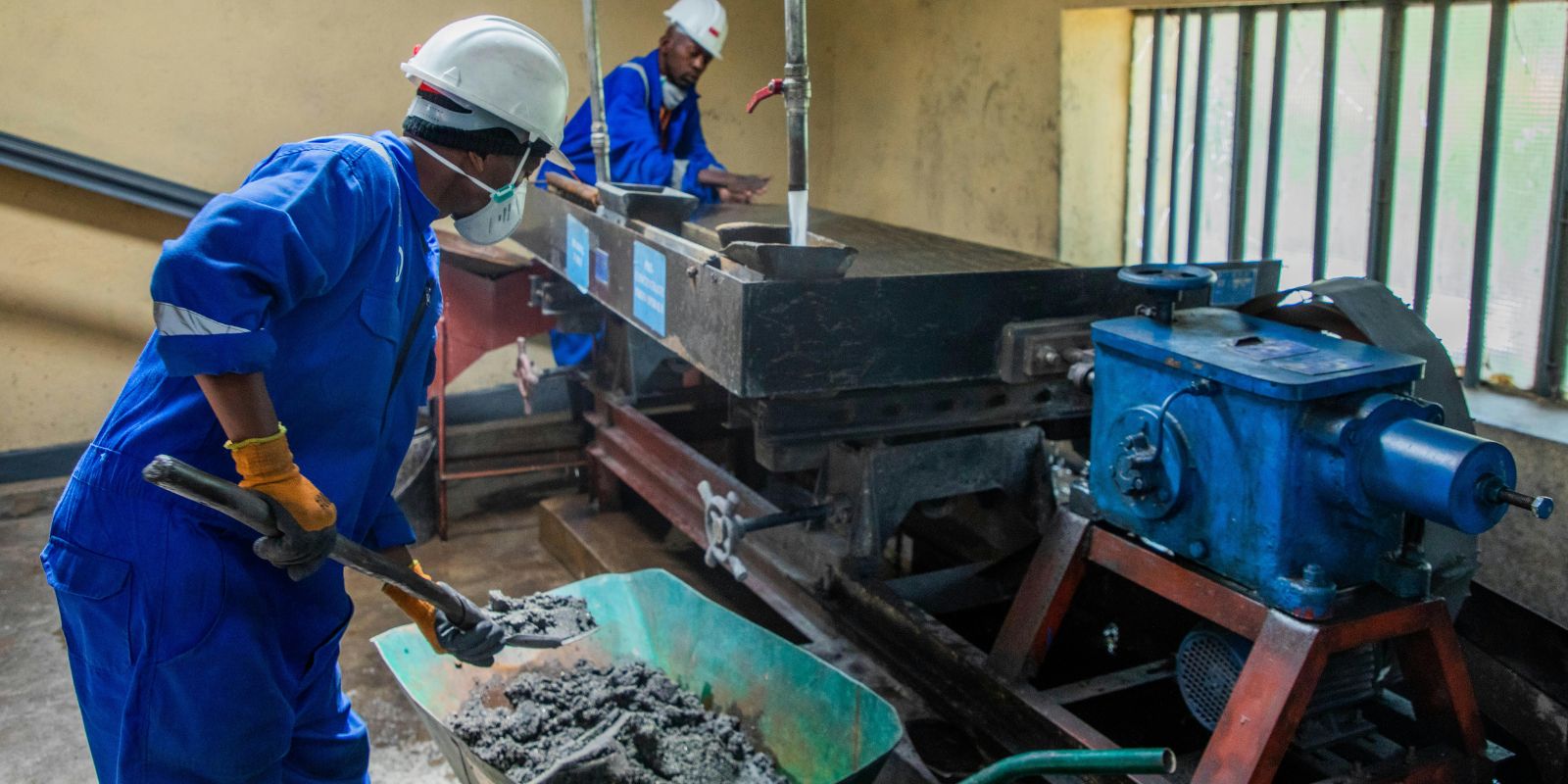
In today’s fast-moving supply chain environment, operational speed has become a decisive competitive advantage. Customers expect same-day or next-day deliveries, retailers demand real-time inventory visibility, and manufacturers rely on just-in-time logistics to reduce costs. At the center of all these demands lies one critical factor: warehouse talent.
Warehouse talent for operational speed is no longer just about filling roles on the floor. It is about building a skilled, adaptable, and technology-ready workforce that can keep pace with increasing volumes, automation, and customer expectations. Organizations that invest in the right warehouse workforce strategies consistently outperform competitors in accuracy, throughput, and delivery timelines.
The Growing Importance of Operational Speed in Warehousing
Operational speed in warehousing directly impacts customer satisfaction, revenue growth, and brand reputation. Delays in picking, packing, or dispatching can disrupt entire supply chains. As e-commerce, omnichannel retail, and global trade expand, warehouses are under constant pressure to move goods faster without compromising quality or safety.
However, speed does not come from equipment alone. While automation and warehouse management systems play a role, human expertise remains essential. Skilled warehouse professionals interpret data, manage exceptions, optimize workflows, and ensure smooth coordination between systems and teams. Without the right talent, even the most advanced warehouses struggle to meet performance targets.
Defining Warehouse Talent in the Modern Era
Warehouse talent today encompasses a broad range of roles and skills. Beyond traditional pickers and packers, modern warehouses require:
- Inventory and demand planners
- Forklift and material-handling specialists
- Automation and robotics operators
- Quality control professionals
- Warehouse supervisors and operations managers
- Data-savvy team members who understand WMS tools
Operational speed depends on how well these roles function together. A workforce that is trained, motivated, and aligned with business goals can dramatically reduce cycle times and increase order accuracy.
How Warehouse Talent Drives Operational Speed
1. Faster Order Fulfillment
Skilled warehouse staff understand optimized picking routes, slotting strategies, and packaging standards. Their experience reduces errors, minimizes rework, and speeds up fulfillment. Well-trained teams can handle peak volumes efficiently, ensuring orders move seamlessly from inbound to outbound docks.
2. Improved Workflow Coordination
Operational speed relies on smooth coordination between receiving, storage, picking, packing, and shipping. Warehouse talent ensures that each stage flows into the next without bottlenecks. Supervisors with strong operational insight can quickly reallocate labor, adjust shifts, and resolve delays in real time.
3. Efficient Use of Technology
Modern warehouses use barcode scanning, RFID, automated storage systems, and advanced WMS platforms. Talented warehouse professionals know how to use these tools effectively. Their ability to interpret system alerts, manage exceptions, and maintain data accuracy directly impacts operational speed.
4. Reduced Downtime and Errors
Experienced warehouse teams proactively identify inefficiencies and safety risks. Fewer errors mean fewer returns, less rehandling, and faster throughput. This proactive approach keeps operations running at optimal speed even during high-demand periods.
Challenges in Building Warehouse Talent for Speed
Despite its importance, attracting and retaining warehouse talent remains a challenge. High turnover, skill shortages, and increasing competition for labor can slow operations. Warehouses that rely on temporary or untrained labor often experience inconsistent performance and rising operational costs.
Another challenge is adapting talent to automation. As warehouses introduce robotics and AI-driven systems, employees must be reskilled rather than replaced. Organizations that fail to upskill their workforce risk underutilizing expensive technologies.
Strategic Hiring for Warehouse Speed
Strategic hiring is essential to building warehouse talent for operational speed. Instead of focusing solely on headcount, organizations should prioritize skill alignment, adaptability, and reliability.
Key hiring strategies include:
- Recruiting candidates with prior warehouse or logistics experience
- Assessing speed, accuracy, and problem-solving abilities
- Hiring supervisors with data-driven decision-making skills
- Partnering with workforce providers who understand warehouse operations
A strong hiring framework ensures the right people are in the right roles at the right time.
Training and Upskilling for Faster Operations
Training plays a pivotal role in operational speed. Even experienced warehouse workers need continuous learning to keep up with new systems, safety standards, and performance metrics.
Effective training programs focus on:
- Standard operating procedures (SOPs)
- Technology and automation usage
- Lean warehousing and process optimization
- Safety and compliance
- Cross-training for role flexibility
Cross-trained employees can shift between tasks during peak periods, maintaining speed without increasing labor costs.
Workforce Flexibility and Scalability
Operational speed often fluctuates with demand cycles. Seasonal peaks, promotional events, and market changes require warehouses to scale operations quickly. A flexible warehouse workforce allows organizations to respond without delays.
By combining permanent staff with trained contingent workers, businesses maintain speed while controlling costs. Workforce partners specializing in logistics staffing can provide on-demand talent that integrates seamlessly into existing operations.
Leadership and Culture as Speed Enablers
Warehouse leadership significantly influences operational speed. Managers who emphasize accountability, continuous improvement, and clear communication create high-performing teams. A culture that values efficiency, safety, and collaboration motivates employees to perform at their best.
When warehouse talent feels valued and supported, productivity and speed naturally increase. Recognition programs, clear career paths, and performance incentives further reinforce a results-driven culture.
Measuring the Impact of Warehouse Talent on Speed
To maximize operational speed, organizations must track workforce-related metrics such as:
- Order cycle time
- Pick and pack accuracy
- Labor productivity rates
- Absenteeism and turnover
- Training completion and skill levels
These metrics help identify gaps, refine hiring strategies, and optimize workforce deployment.
Future Trends in Warehouse Talent and Speed
As supply chains become more digital, warehouse talent will continue to evolve. Future-ready warehouses will prioritize employees who can work alongside automation, analyze data, and adapt to rapid changes.
Key trends include:
- Increased demand for tech-enabled warehouse roles
- Greater emphasis on workforce analytics
- Hybrid models combining automation and human expertise
- Continuous reskilling initiatives
Organizations that align talent strategies with these trends will sustain high operational speed and long-term resilience.
Conclusion
Warehouse talent for operational speed is a strategic asset, not just a staffing requirement. The right workforce accelerates fulfillment, reduces errors, and enables warehouses to meet growing customer expectations. By investing in smart hiring, continuous training, and workforce flexibility, organizations can transform their warehouses into high-speed, high-performance operations.