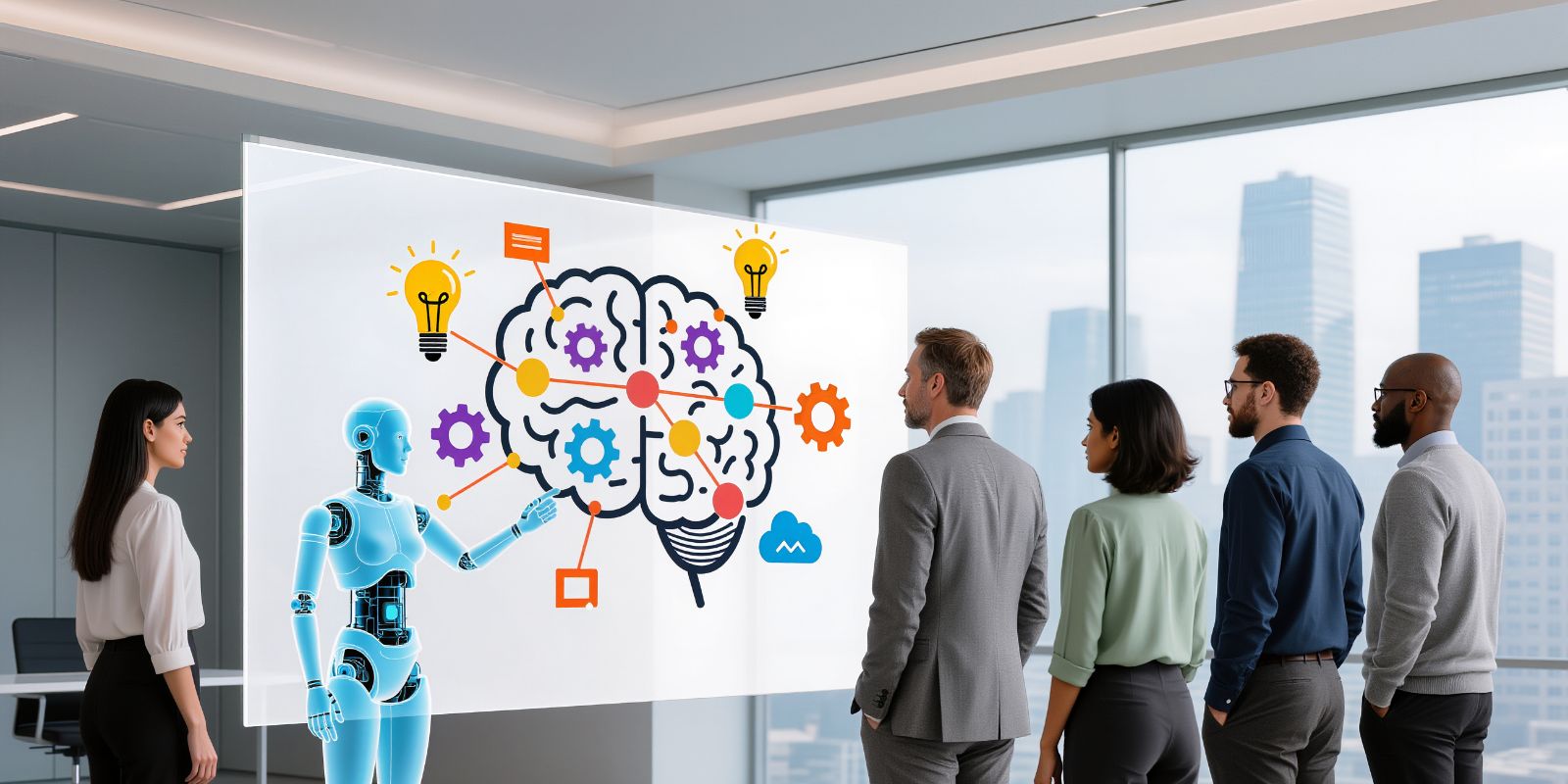
In today’s rapidly evolving business environment, organizations are facing unprecedented changes driven by technology, globalization, demographic shifts, and changing employee expectations. Traditional workforce planning methods are no longer sufficient to meet these challenges. To remain competitive, organizations must adopt future ready workforce planning—a strategic approach that ensures the right talent, skills, and capabilities are available to support long-term business goals.
Future ready workforce planning goes beyond filling current vacancies. It focuses on anticipating future needs, aligning talent strategies with business objectives, and creating an agile workforce capable of adapting to continuous change. This proactive approach helps organizations stay resilient, innovative, and sustainable in the face of uncertainty.
Understanding Future Ready Workforce Planning
Future ready workforce planning is the process of forecasting an organization’s future talent requirements and developing strategies to bridge skill gaps before they become critical. It involves analyzing current workforce capabilities, identifying emerging skill demands, and implementing workforce solutions that support growth and transformation.
Unlike traditional manpower planning, which is often reactive, future ready workforce planning is data-driven and forward-looking. It integrates technology, analytics, and strategic insights to prepare organizations for evolving business models, automation, and new ways of working.
Why Future Ready Workforce Planning Matters
The importance of future ready workforce planning has increased significantly due to rapid technological advancements and market disruptions. Organizations that fail to plan ahead often face talent shortages, productivity issues, and higher recruitment costs.
Key reasons why future ready workforce planning matters include:
- Rapid technological change requiring new digital and analytical skills
- Shifting workforce demographics, including multi-generational employees
- Increased competition for skilled talent across industries
- Changing employee expectations around flexibility, purpose, and growth
- Economic uncertainty demanding agile and scalable workforce models
By planning proactively, businesses can minimize risks, improve workforce productivity, and maintain a strong employer brand.
Key Components of a Future Ready Workforce Strategy
To build a future ready workforce, organizations must focus on several critical components:
1. Strategic Workforce Forecasting
Workforce forecasting involves predicting future talent needs based on business goals, market trends, and growth plans. This helps organizations understand how many employees they need, what skills will be required, and when these needs will arise.
2. Skills Gap Analysis
Identifying existing skill gaps is essential for workforce readiness. Organizations must assess current employee capabilities and compare them with future requirements to determine areas that need upskilling, reskilling, or external hiring.
3. Workforce Agility and Flexibility
A future ready workforce is agile and adaptable. This includes flexible staffing models such as contract staffing, gig workers, project-based hiring, and remote teams that can scale up or down based on demand.
4. Technology and Data Integration
Advanced workforce planning leverages HR analytics, AI-driven tools, and workforce management systems to make informed decisions. Data-driven insights improve accuracy in forecasting and talent allocation.
5. Continuous Learning and Development
Investing in employee development ensures that the workforce remains relevant. Continuous learning programs, leadership development, and digital skill training are essential to future readiness.
Role of Technology in Workforce Planning
Technology plays a central role in enabling future ready workforce planning. AI and automation tools help organizations analyze workforce data, predict trends, and identify potential risks.
Key technological enablers include:
- AI-powered recruitment tools for faster and smarter hiring
- Workforce analytics platforms for data-driven insights
- Learning management systems (LMS) for continuous skill development
- Automation tools to optimize routine HR processes
By integrating technology, organizations can improve efficiency, reduce hiring time, and enhance workforce productivity.
Aligning Workforce Planning with Business Goals
Future ready workforce planning must be closely aligned with overall business strategy. Whether an organization is focusing on expansion, digital transformation, or cost optimization, workforce plans should support these objectives.
For example:
- Companies undergoing digital transformation need employees with data, cloud, and cybersecurity skills.
- Organizations planning rapid expansion require scalable hiring and onboarding models.
- Businesses aiming for cost efficiency benefit from outsourcing and flexible staffing strategies.
Alignment ensures that workforce investments deliver measurable business value.
Building a Resilient and Inclusive Workforce
A future ready workforce is not only skilled but also resilient and inclusive. Diversity, equity, and inclusion (DEI) initiatives help organizations tap into a broader talent pool and foster innovation.
Additionally, employee well-being and engagement are critical. Organizations that prioritize mental health, work-life balance, and career growth are better positioned to retain talent and maintain productivity during times of change.
Challenges in Future Ready Workforce Planning
Despite its benefits, implementing future ready workforce planning comes with challenges:
- Uncertainty in market conditions
- Rapidly changing skill requirements
- Resistance to change within organizations
- Limited access to accurate workforce data
To overcome these challenges, organizations must adopt a flexible mindset, invest in technology, and continuously review and refine workforce strategies.
Best Practices for Future Ready Workforce Planning
Organizations can strengthen their workforce planning efforts by following these best practices:
- Regularly update workforce forecasts based on market trends
- Use data and analytics to guide decision-making
- Focus on internal talent development alongside external hiring
- Partner with staffing and workforce solutions providers
- Promote a culture of continuous learning and adaptability
These practices help organizations remain proactive rather than reactive.
The Future of Workforce Planning
As businesses continue to evolve, future ready workforce planning will become a core strategic function rather than an HR activity alone. Organizations that invest in long-term talent strategies will be better equipped to navigate disruptions, leverage new opportunities, and achieve sustainable growth.
The future belongs to organizations that can anticipate change, adapt quickly, and empower their workforce with the right skills and tools. By embracing future ready workforce planning today, businesses can build a strong foundation for tomorrow’s success.
Conclusion
Future Ready Workforce Planning is no longer a choice but a strategic necessity for organizations aiming to thrive in an ever-changing business landscape. By proactively anticipating talent needs, addressing skill gaps, and aligning workforce strategies with long-term business goals, organizations can build a workforce that is agile, resilient, and capable of driving sustained growth. Embracing technology, fostering continuous learning, and promoting flexibility empower businesses to adapt quickly to disruptions while maintaining productivity and employee engagement.