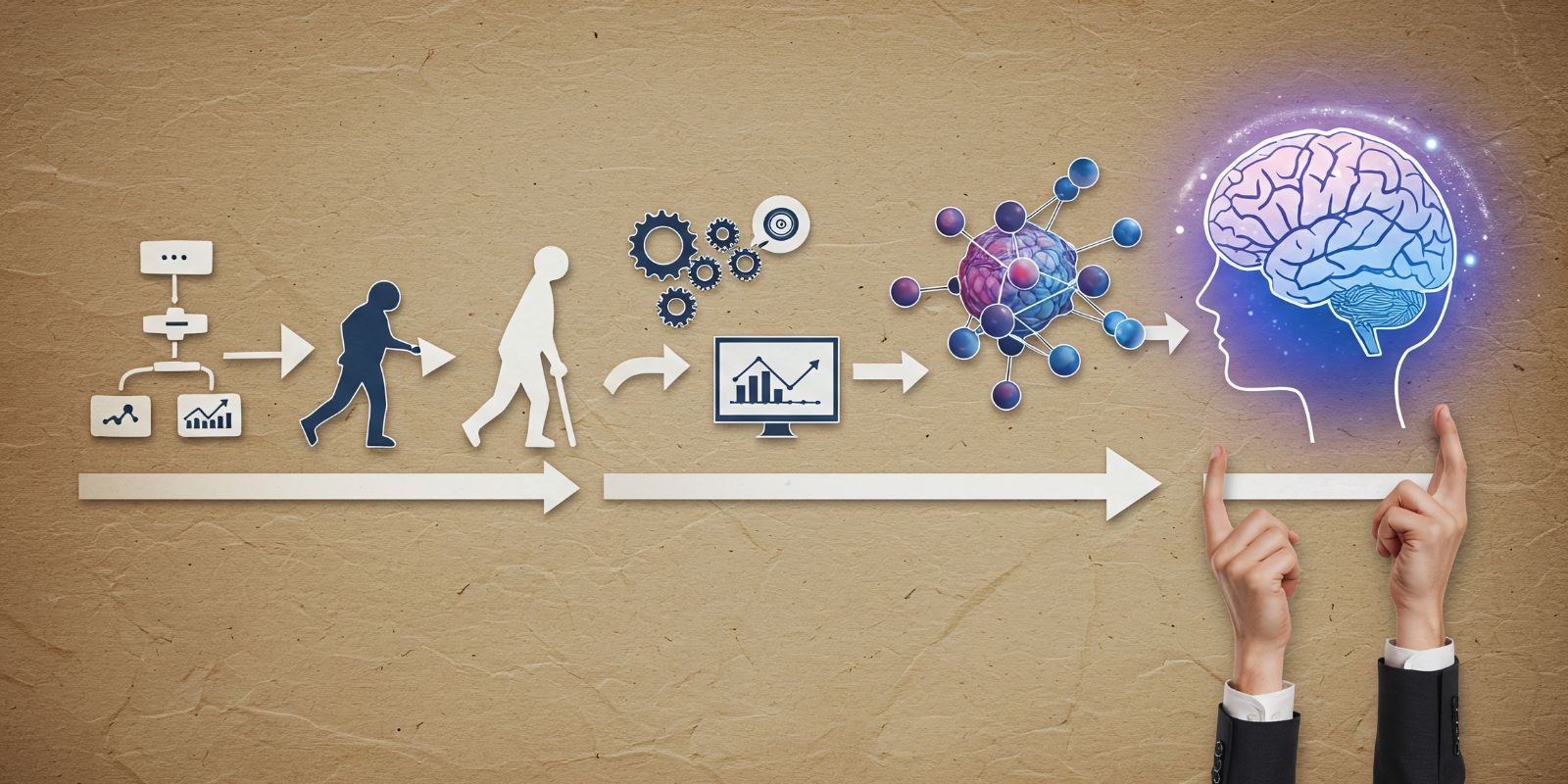
In today’s rapidly evolving business landscape, organizations are facing unprecedented changes driven by technology, globalization, and shifting workforce expectations. Traditional staffing models are no longer sufficient to meet modern demands. To stay competitive, businesses must rethink how they attract, manage, and deploy talent. This is where workforce transformation through smart staffing plays a critical role.
Smart staffing is not just about filling vacancies—it is a strategic approach that aligns talent acquisition with business goals, future skills, and operational agility. By adopting smart staffing solutions, organizations can transform their workforce into a more flexible, skilled, and resilient asset.
Understanding Workforce Transformation
Workforce transformation refers to the systematic change in how organizations structure, manage, and develop their workforce to meet current and future business needs. It involves rethinking roles, skills, processes, and workforce composition to improve efficiency and adaptability.
Key drivers of workforce transformation include:
- Rapid technological advancements
- Automation and digitalization
- Changing employee expectations
- Market volatility and economic uncertainty
- The rise of remote and hybrid work models
To address these challenges effectively, businesses need staffing strategies that are agile, data-driven, and future-focused.
What Is Smart Staffing?
Smart staffing is a modern approach to workforce management that leverages technology, analytics, and flexible staffing models to optimize talent deployment. It goes beyond traditional hiring by focusing on skill alignment, workforce planning, and scalability.
Smart staffing typically includes:
- Contract and temporary staffing
- Project-based hiring
- Recruitment Process Outsourcing (RPO)
- Workforce analytics and AI-driven hiring
- Upskilling and reskilling initiatives
By using these tools, organizations can respond faster to changing business demands while maintaining workforce quality.
The Role of Smart Staffing in Workforce Transformation
Smart staffing acts as a catalyst for workforce transformation by enabling organizations to build a workforce that is both agile and future-ready.
Enhancing Workforce Agility
One of the biggest advantages of smart staffing is agility. Businesses can quickly scale their workforce up or down based on project requirements, seasonal demand, or market changes. This flexibility reduces fixed labor costs and improves operational efficiency.
With access to contract and temporary talent, companies can meet urgent requirements without long-term commitments, ensuring continuity without overstaffing.
Access to Specialized Skills
Digital transformation has created demand for niche and highly specialized skills. Hiring full-time employees for every specialized role may not be practical or cost-effective.
Smart staffing allows organizations to tap into specialized talent pools on a project or contract basis. Whether it’s IT experts, data analysts, or industry specialists, businesses can access the right skills at the right time.
Improving Productivity and Performance
When roles are filled by candidates with the right skills and experience, productivity naturally improves. Smart staffing focuses on better role-skill matching, which leads to higher employee performance and engagement.
Additionally, smart staffing providers often pre-screen and assess candidates, reducing hiring errors and improving quality of hire.
Cost Optimization and Efficiency
Traditional hiring involves significant costs related to recruitment, onboarding, training, and employee benefits. Smart staffing helps optimize these costs by offering flexible employment models.
Organizations can reduce overhead expenses while maintaining access to high-quality talent. This cost efficiency allows businesses to invest more in innovation, training, and growth initiatives.
Technology as a Key Enabler of Smart Staffing
Technology plays a vital role in transforming workforce strategies. Advanced staffing solutions use data analytics, artificial intelligence, and automation to enhance hiring decisions.
Data-Driven Workforce Planning
Smart staffing relies on workforce analytics to forecast talent needs, identify skill gaps, and plan hiring proactively. This data-driven approach ensures that staffing decisions align with long-term business goals.
AI-Powered Recruitment
AI tools help automate resume screening, candidate matching, and interview scheduling. This reduces time-to-hire and improves accuracy in candidate selection.
By minimizing manual processes, HR teams can focus on strategic initiatives rather than administrative tasks.
Digital Workforce Management
Cloud-based platforms enable organizations to manage temporary, contract, and permanent staff efficiently. From attendance tracking to performance monitoring, digital tools provide greater visibility and control over workforce operations.
Smart Staffing and Employee Experience
Workforce transformation is not only about organizational efficiency—it’s also about improving employee experience. Smart staffing supports modern workforce expectations by offering flexibility, career growth, and meaningful work.
Flexible Work Arrangements
Many professionals prefer flexible work models such as contract roles, project-based assignments, or remote work. Smart staffing accommodates these preferences, leading to higher satisfaction and retention.
Continuous Skill Development
Smart staffing strategies often include upskilling and reskilling programs. By investing in employee development, organizations build a future-ready workforce while enhancing employee loyalty.
Better Work-Life Balance
Flexible staffing models help employees maintain better work-life balance, which contributes to higher engagement and reduced burnout.
Industry Impact of Smart Staffing
Smart staffing is transforming workforce models across industries:
- IT and Technology: Enables rapid scaling for digital projects and innovation.
- Manufacturing: Supports seasonal demand and specialized technical roles.
- Healthcare: Provides access to skilled professionals during peak demand.
- Retail and FMCG: Helps manage fluctuating workforce needs efficiently.
- Logistics and Warehousing: Ensures workforce availability during high-volume periods.
Across sectors, smart staffing enables organizations to stay competitive in dynamic markets.
Challenges and How to Overcome Them
While smart staffing offers significant benefits, organizations may face challenges such as integration issues, workforce alignment, or compliance concerns.
To overcome these challenges:
- Partner with experienced staffing providers
- Clearly define workforce strategies and goals
- Ensure compliance with labor laws and regulations
- Invest in workforce communication and change management
A well-planned approach ensures smooth workforce transformation.
The Future of Workforce Transformation Through Smart Staffing
As businesses continue to evolve, smart staffing will become an essential component of workforce strategy. Organizations that embrace flexible, technology-driven staffing models will be better positioned to adapt to future disruptions.
The future workforce will be:
- Skill-based rather than role-based
- Flexible and project-oriented
- Supported by technology and analytics
- Focused on continuous learning and adaptability
Smart staffing is no longer an option—it is a necessity for sustainable growth and workforce resilience.
Conclusion
Workforce transformation through smart staffing empowers organizations to navigate change, optimize talent utilization, and achieve long-term success. By embracing flexible staffing models, leveraging technology, and focusing on skill alignment, businesses can build a workforce that is agile, productive, and future-ready.