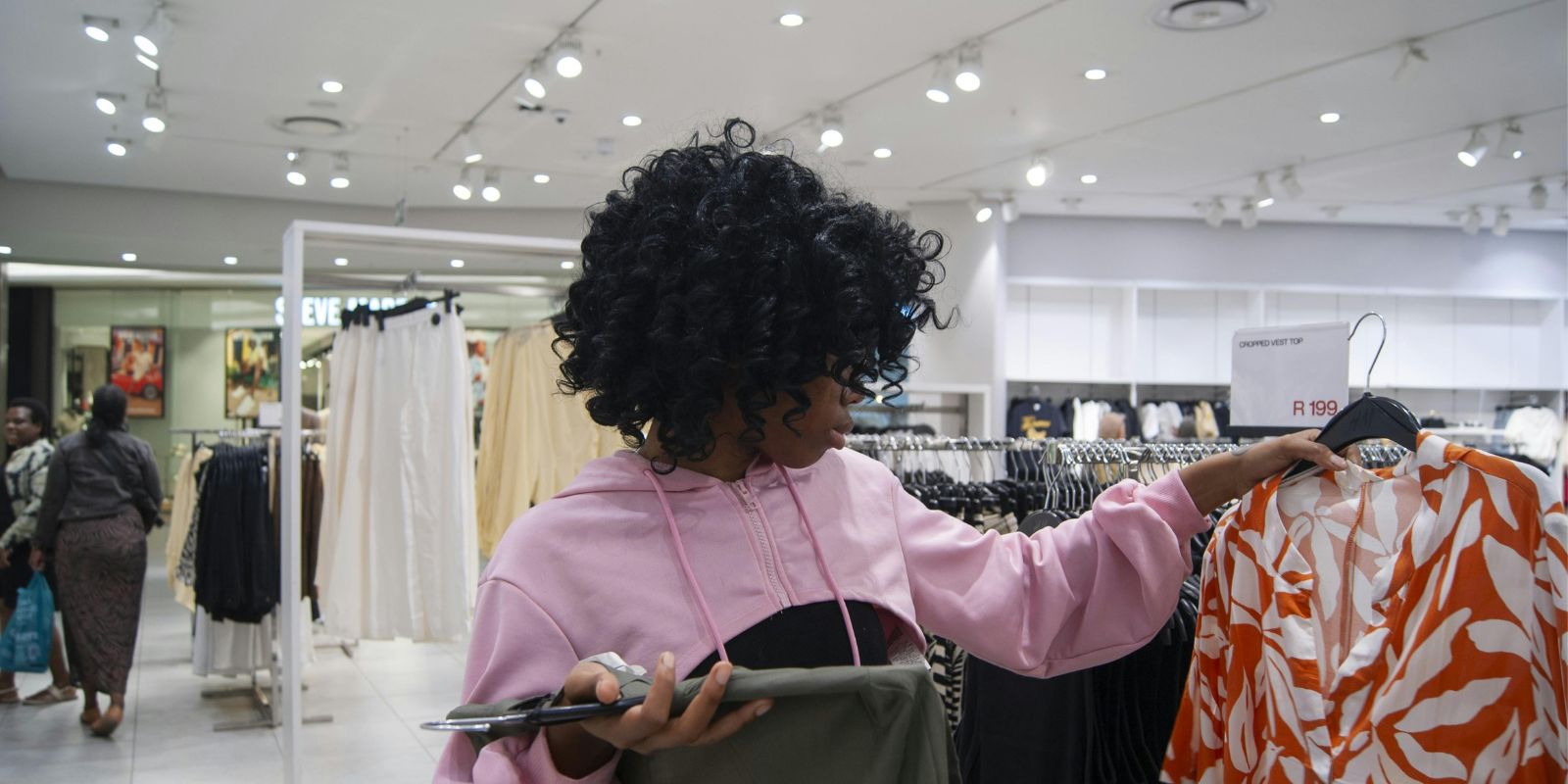
In today’s competitive retail landscape, product availability alone is no longer enough to win customers. How products are presented, stocked, and promoted inside stores plays a decisive role in influencing buying decisions. This is where a strong merchandising workforce for retail operations becomes a critical business asset. From ensuring correct shelf placement to maintaining brand standards across locations, merchandisers act as the frontline ambassadors of retail success.
Retailers operating across multiple formats—supermarkets, hypermarkets, convenience stores, and specialty outlets—depend heavily on a skilled merchandising workforce to maintain consistency, drive sales, and improve customer experience. This article explores the importance of merchandising workforce solutions, key roles, benefits, challenges, and best practices for building an effective retail merchandising team.
Understanding the Merchandising Workforce
A merchandising workforce consists of trained professionals responsible for executing in-store strategies that align with a brand’s sales and marketing objectives. Their tasks go far beyond simple shelf stocking. They ensure products are displayed attractively, priced accurately, replenished on time, and promoted according to planograms and seasonal campaigns.
In retail operations, merchandisers serve as the link between corporate strategy and in-store execution. Their performance directly impacts product visibility, inventory turnover, and overall store profitability.
Key Roles in Retail Merchandising Operations
A well-structured merchandising workforce typically includes several specialized roles:
1. Field Merchandisers
Field merchandisers visit retail outlets regularly to ensure shelves are stocked, displays are maintained, and promotional materials are correctly placed. They monitor competitor activity and provide real-time feedback from stores.
2. Visual Merchandisers
Visual merchandisers focus on store aesthetics. They design and implement displays that attract customers, enhance brand identity, and improve footfall conversion rates.
3. Category Merchandisers
These professionals analyze product performance within specific categories. They optimize shelf space, assortment mix, and pricing to maximize sales and margins.
4. Store-Level Promoters
Often part of merchandising operations, promoters engage directly with customers, explain product benefits, and support sales during campaigns and launches.
Why Merchandising Workforce Matters in Retail Operations
1. Improved Product Visibility
Strategic product placement increases the likelihood of purchase. A dedicated merchandising workforce ensures that products are always visible, accessible, and attractively displayed.
2. Consistent Brand Execution
For brands operating across multiple locations, consistency is key. Merchandisers ensure uniform execution of branding, promotions, and planograms across all stores.
3. Increased Sales and Revenue
Well-maintained shelves, timely replenishment, and compelling displays directly influence impulse buying and repeat purchases, driving higher sales volumes.
4. Better Inventory Management
Merchandisers help prevent stock-outs and overstocking by monitoring inventory levels and coordinating with supply chain teams.
5. Enhanced Customer Experience
A clean, organized, and visually appealing store creates a positive shopping experience, encouraging customers to spend more time and money.
Merchandising Workforce for Different Retail Formats
Modern Trade Retail
Large-format stores require structured merchandising teams to manage high SKU counts, complex planograms, and frequent promotions.
Traditional Trade and Kirana Stores
In smaller outlets, merchandisers play a crucial role in space optimization, ensuring maximum visibility despite limited shelf space.
Specialty Retail
For fashion, electronics, and lifestyle stores, visual merchandising and customer engagement are key focus areas.
FMCG Retail Operations
High-volume FMCG retail depends on fast replenishment, promotional compliance, and constant shelf monitoring—all driven by merchandisers.
Challenges in Managing a Merchandising Workforce
Despite its importance, managing a merchandising workforce comes with challenges:
- High Attrition Rates: Retail field roles often face frequent turnover.
- Geographical Dispersion: Managing teams across multiple locations requires strong coordination.
- Training Gaps: Inconsistent training can lead to poor execution.
- Compliance Monitoring: Ensuring planogram and promotional compliance at scale can be difficult.
Addressing these challenges requires structured workforce planning, technology integration, and professional staffing support.
Benefits of Outsourcing Merchandising Workforce
Many retailers and brands prefer outsourcing their merchandising workforce to specialized staffing partners. This approach offers several advantages:
1. Faster Deployment
Staffing partners can quickly deploy trained merchandisers across regions.
2. Cost Efficiency
Outsourcing reduces recruitment, training, payroll, and compliance overheads.
3. Scalability
Merchandising teams can be scaled up or down based on seasonality, promotions, or expansion plans.
4. Expertise and Compliance
Professional workforce providers ensure trained staff, legal compliance, and performance monitoring.
Technology’s Role in Modern Merchandising
Digital tools are transforming merchandising workforce management. Mobile apps and analytics platforms help track attendance, store visits, shelf compliance, and sales impact in real time. These insights enable retailers to make data-driven decisions, improve execution, and optimize workforce productivity.
Technology also enhances communication between field merchandisers and central teams, ensuring faster issue resolution and better alignment with retail strategies.
Best Practices for Building an Effective Merchandising Workforce
- Clear Role Definition: Define responsibilities and performance metrics clearly.
- Regular Training: Provide ongoing training on products, displays, and customer engagement.
- Performance Tracking: Use KPIs such as shelf compliance, sales uplift, and store coverage.
- Strong Supervision: Field supervisors help maintain quality and accountability.
- Employee Engagement: Motivated merchandisers deliver better execution and stay longer.
Future Trends in Retail Merchandising Workforce
The future of merchandising workforce for retail operations will be shaped by automation, data analytics, and omnichannel retailing. While technology will handle reporting and analysis, human merchandisers will remain essential for in-store execution, creativity, and customer interaction.
Retailers will increasingly look for flexible, tech-enabled merchandising teams capable of adapting quickly to market changes and consumer preferences.
Conclusion
A reliable merchandising workforce for retail operations is no longer optional—it is a strategic necessity. From driving sales and ensuring brand consistency to enhancing customer experience, merchandisers play a vital role in retail success. Businesses that invest in skilled merchandising teams or partner with professional workforce providers gain a competitive edge in today’s fast-paced retail environment.