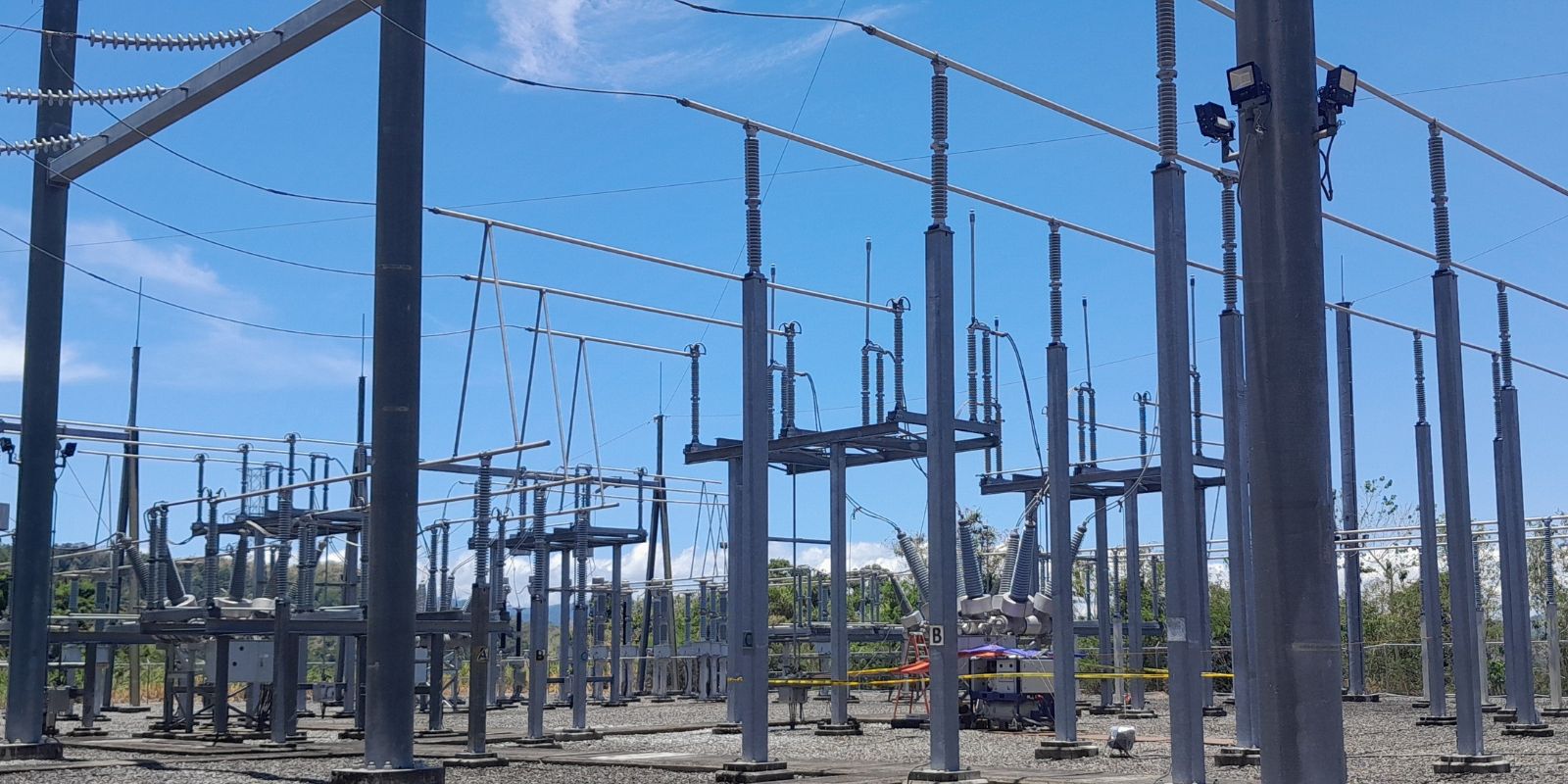
Industry transformation is no longer a distant goal—it is a present-day necessity. Across manufacturing, IT, healthcare, logistics, BFSI, and emerging sectors, organizations are facing unprecedented change driven by digitalization, automation, sustainability goals, and evolving customer expectations. At the heart of this transformation lies one critical factor: the workforce. Workforce solutions have emerged as strategic enablers that help organizations adapt, innovate, and remain competitive in a rapidly changing business environment.
Understanding Industry Transformation
Industry transformation refers to fundamental changes in how industries operate, deliver value, and compete. These changes are often powered by technologies such as artificial intelligence, data analytics, cloud computing, robotics, and advanced manufacturing systems. However, technology alone cannot drive transformation. Organizations need skilled, agile, and future-ready talent to implement, manage, and scale these innovations effectively.
This is where workforce solutions play a decisive role. They bridge the gap between business strategy and human capital, ensuring organizations have the right people, with the right skills, at the right time.
The Evolving Role of Workforce Solutions
Traditional workforce management focused largely on hiring and payroll. Today, workforce solutions encompass a much broader spectrum of services, including talent acquisition, workforce planning, skill development, deployment models, compliance management, and performance optimization.
Modern workforce solutions are designed to be flexible, data-driven, and aligned with long-term business objectives. They help organizations respond quickly to market shifts while building resilience and sustainability into their operations.
Key Drivers of Workforce Transformation
Several factors are accelerating the demand for advanced workforce solutions:
Digital Disruption: Automation and digital tools are reshaping job roles. Organizations must reskill and upskill employees to work alongside new technologies.
Talent Scarcity: Specialized skills are in short supply across industries. Strategic workforce solutions help attract, retain, and deploy scarce talent efficiently.
Changing Work Models: Remote work, hybrid models, and project-based employment require flexible staffing strategies and robust workforce planning.
Regulatory and Compliance Pressures: As labor laws evolve, organizations need compliant workforce frameworks to mitigate risks.
Business Agility: Rapid scaling, restructuring, and diversification demand workforce models that can adapt quickly without compromising productivity.
Strategic Workforce Planning for Transformation
Strategic workforce planning is the foundation of successful industry transformation. It involves forecasting future talent needs based on business goals, technology adoption, and market trends. Workforce solutions providers use analytics and industry insights to help organizations anticipate skill requirements and workforce gaps.
By aligning workforce planning with transformation roadmaps, businesses can reduce hiring delays, control costs, and ensure continuity during periods of change.
Skill Development and Upskilling Initiatives
One of the most critical aspects of workforce solutions is skill development. As industries transform, many existing roles evolve rather than disappear. Workforce solutions support continuous learning through structured training programs, certifications, and on-the-job development initiatives.
Upskilling and reskilling not only prepare employees for new roles but also improve engagement and retention. Organizations that invest in learning cultures are better positioned to innovate and adapt to future disruptions.
Flexible Staffing Models for Dynamic Industries
Industry transformation often requires rapid scaling up or down of operations. Flexible staffing models such as contract staffing, project-based hiring, and managed workforce solutions allow organizations to respond quickly to changing demands.
These models provide access to specialized talent without long-term overheads, enabling businesses to maintain agility while focusing on core competencies. Workforce solutions partners manage recruitment, deployment, and administration, ensuring seamless operations.
Technology-Enabled Workforce Management
Digital platforms and workforce management systems are integral to modern workforce solutions. These tools offer real-time visibility into workforce performance, attendance, productivity, and compliance. Data-driven insights help organizations make informed decisions, optimize resource allocation, and improve operational efficiency.
Automation in workforce management also reduces administrative burden, allowing HR teams to focus on strategic initiatives that support transformation goals.
Enhancing Productivity and Operational Efficiency
Effective workforce solutions directly impact productivity. By ensuring optimal staffing levels, skill alignment, and performance monitoring, organizations can minimize downtime and maximize output. Workforce analytics identify inefficiencies and provide actionable insights for improvement.
In transformed industries where margins are tight and competition is intense, even small gains in productivity can translate into significant business advantages.
Building a Future-Ready Workforce
Industry transformation is an ongoing journey, not a one-time event. Workforce solutions help organizations build future-ready workforces that can adapt to continuous change. This involves fostering a culture of innovation, collaboration, and learning.
Diversity and inclusion initiatives, leadership development, and employee well-being programs are increasingly integrated into workforce strategies. These elements strengthen organizational resilience and support sustainable growth.
The Role of Workforce Partners in Transformation
Partnering with experienced workforce solutions providers offers organizations access to industry expertise, best practices, and scalable delivery models. These partners act as strategic advisors, helping businesses navigate complex talent challenges and implement transformation initiatives effectively.
A strong workforce partner understands industry-specific requirements and aligns talent strategies with business outcomes, ensuring long-term value creation.
Conclusion
Workforce solutions are no longer support functions—they are strategic drivers of industry transformation. As industries evolve under the pressure of technology, globalization, and changing market dynamics, organizations must rethink how they attract, develop, and manage talent.