
In today’s fast-paced and competitive business landscape, organizations must rethink traditional recruitment methods to meet the demands of rapid growth.

Smart Talent Delivery Frameworks for Growth
In today’s rapidly evolving business landscape, organizations are under constant pressure to acquire, manage, and retain the right talent efficiently.
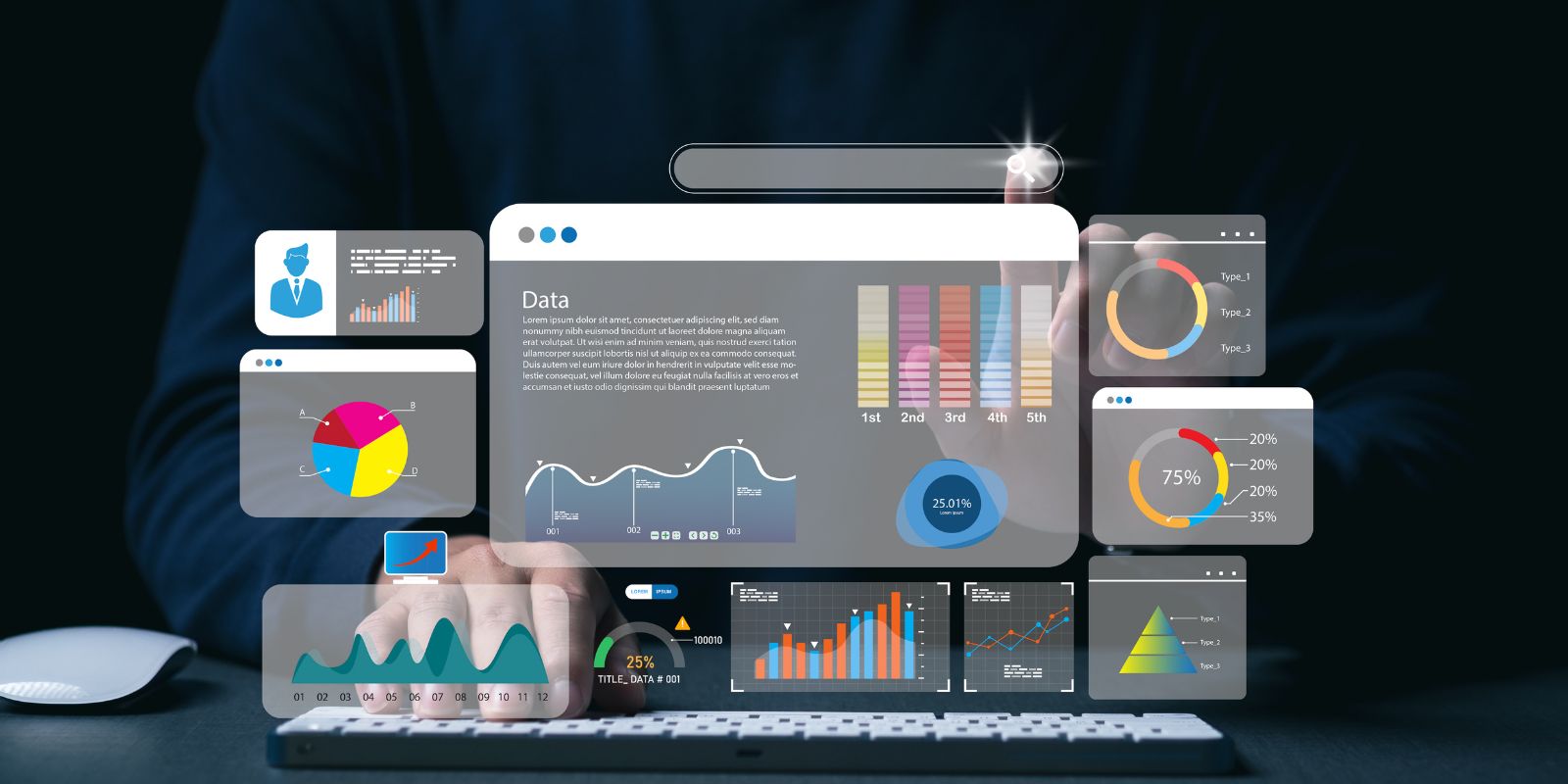
Workforce Intelligence For Business Growth
In today’s rapidly evolving business environment, organizations are under constant pressure to stay competitive, agile, and future-ready.

Intelligent Recruitment Models for Smarter Hiring
In today’s fast-evolving business environment, organizations are under constant pressure to hire faster, smarter, and more accurately. Traditional recruitment methods that rely heavily on manual screening, intuition, and static hiring processes are no longer sufficient. This is where intelligent recruitment models come into play. These models leverage data, artificial intelligence, predictive analytics, and automation to transform the hiring process into a strategic and highly efficient function. Intelligent recruitment models are not just about technology; they represent a shift in how companies approach talent acquisition. Instead of reactive hiring, organizations adopt proactive, data-driven strategies that identify the right talent at the right time. As workforce demands grow more complex, intelligent recruitment is becoming a critical pillar of sustainable business growth. What Are Intelligent Recruitment Models? Intelligent recruitment models are advanced hiring frameworks that use AI-driven tools, analytics, and digital platforms to enhance recruitment decision-making. These models integrate technology with human expertise to streamline sourcing, screening, interviewing, and onboarding. Unlike traditional hiring systems, intelligent recruitment models focus on: By combining these elements, organizations can significantly reduce hiring time while improving the quality of hires. Evolution of Recruitment: From Traditional to Intelligent Recruitment has evolved from paper resumes and manual interviews to digital platforms and AI-powered talent acquisition systems. Earlier, HR teams depended on job boards, referrals, and manual evaluation processes. These methods were time-consuming and often biased. With the rise of intelligent recruitment models, companies now use: This evolution allows recruiters to focus on strategic hiring instead of administrative tasks. Key Components of Intelligent Recruitment Models 1. AI-Powered Talent Sourcing Artificial intelligence helps organizations identify suitable candidates across multiple platforms. Intelligent sourcing tools scan databases, social platforms, and professional networks to find candidates that match job requirements. 2. Predictive Analytics in Hiring Predictive analytics plays a major role in intelligent recruitment. By analyzing historical hiring data, organizations can forecast candidate success, employee retention, and performance outcomes. This approach minimizes hiring risks and improves workforce stability. 3. Automated Candidate Screening One of the most time-consuming aspects of recruitment is resume screening. Intelligent recruitment models automate this process using machine learning algorithms that filter candidates based on skills, experience, and qualifications. This ensures faster shortlisting and higher accuracy in candidate selection. 4. Intelligent Interview Scheduling Automation tools eliminate scheduling conflicts and improve candidate experience. Smart scheduling systems coordinate interview availability, send reminders, and streamline communication between recruiters and candidates. 5. Data-Driven Decision Making Intelligent recruitment relies heavily on data insights. Recruiters can evaluate metrics such as time-to-hire, cost-per-hire, candidate engagement rates, and hiring efficiency to make better strategic decisions. Benefits of Intelligent Recruitment Models Faster Hiring Process Automation significantly reduces manual workload, allowing recruiters to fill positions more quickly without compromising quality. Improved Quality of Hire AI-driven matching ensures candidates are evaluated based on skills and competencies rather than subjective judgments. Enhanced Candidate Experience Chatbots, automated responses, and seamless interview processes improve the candidate journey, making organizations more attractive to top talent. Reduced Hiring Costs By optimizing recruitment workflows and reducing manual intervention, companies can lower recruitment expenses and operational costs. Bias Reduction in Hiring Intelligent recruitment models help minimize unconscious bias by using structured data and objective evaluation criteria. Intelligent Recruitment Models for Different Business Sizes Startups Startups benefit from intelligent recruitment by automating hiring tasks and identifying multi-skilled candidates quickly. This helps them scale efficiently with limited HR resources. Small and Medium Enterprises (SMEs) SMEs can use intelligent recruitment platforms to compete with larger organizations by accessing advanced hiring tools and analytics without large infrastructure investments. Large Enterprises Enterprises adopt intelligent recruitment models to manage high-volume hiring, global talent pools, and workforce planning strategies effectively. Role of AI and Automation in Intelligent Recruitment Artificial intelligence is the backbone of modern recruitment models. AI tools analyze vast amounts of candidate data, identify patterns, and recommend the best-fit candidates. Automation further enhances efficiency by handling repetitive tasks such as: This allows HR professionals to focus on strategic talent engagement and employer branding. Challenges in Implementing Intelligent Recruitment Models Despite their advantages, intelligent recruitment models come with certain challenges: Data Privacy Concerns Handling candidate data requires strict compliance with data protection regulations and ethical hiring practices. Integration with Existing Systems Organizations may face technical difficulties when integrating intelligent recruitment tools with legacy HR systems. High Initial Investment Although cost-effective in the long run, the initial setup of intelligent recruitment technology may require significant investment. Skill Gap in HR Teams HR professionals need training to effectively use AI-driven recruitment tools and interpret analytics. Best Practices for Implementing Intelligent Recruitment Models Define Clear Hiring Objectives Organizations must identify their recruitment goals before implementing intelligent systems. This ensures alignment between technology and business needs. Invest in the Right Technology Selecting scalable and user-friendly recruitment platforms is crucial for long-term success. Focus on Candidate-Centric Hiring Even with automation, maintaining a human touch in communication enhances candidate trust and engagement. Use Data Ethically Companies should ensure transparency in AI-driven hiring decisions to maintain fairness and compliance. Continuous Monitoring and Optimization Regular evaluation of recruitment metrics helps organizations refine their hiring strategies and improve performance over time. Future Trends in Intelligent Recruitment Models Hyper-Personalized Candidate Engagement Future recruitment models will offer personalized communication and job recommendations based on candidate behavior and preferences. AI-Driven Workforce Planning Organizations will increasingly integrate recruitment with workforce analytics to predict talent needs and skill gaps. Virtual Hiring and Digital Assessments Virtual interviews, online assessments, and remote onboarding will become standard practices in intelligent recruitment systems. Skills-Based Hiring Over Degree-Based Hiring Companies are shifting towards competency-based recruitment models that prioritize skills and real-world capabilities over traditional qualifications. How Intelligent Recruitment Models Improve Workforce Strategy Intelligent recruitment models align hiring with long-term business strategy. By leveraging workforce data and predictive insights, organizations can build agile and future-ready teams. These models help in: As a result, recruitment evolves from an operational function to a strategic business driver. Conclusion Intelligent recruitment models are revolutionizing the way organizations hire and manage talent. By integrating AI, automation, and data analytics, businesses
Smart Strategies For Workforce Enablement Success
In today’s rapidly evolving business environment, organizations are no longer competing solely on products or services—they are competing on talent. A well-enabled workforce is the backbone of innovation, productivity, and sustainable growth.

Talent Intelligence Driving Hiring Decisions
In today’s hyper-competitive business environment, organizations can no longer rely on intuition, outdated resumes, or gut feelings to build high-performing teams. The modern workforce is dynamic, diverse, and increasingly digital.

Advanced Hiring Models For Businesses
In today’s rapidly changing business environment, traditional hiring methods are no longer enough. Companies face skill shortages, fluctuating workloads, global competition, and rising labor costs.
Intelligent Workforce Planning Systems for Growth
In today’s fast-changing business environment, organizations face constant pressure to stay competitive, reduce costs, and respond quickly to market demands.

Smart Hiring Frameworks for Enterprises
In today’s hyper-competitive business environment, enterprises can no longer depend on traditional hiring methods to build strong, agile, and future-ready teams. The rise of digital transformation, automation, remote work, and skills-based economies has changed how organizations source, assess, and retain talent.

Digital Systems Driving Workforce Excellence
In today’s fast-moving business environment, workforce excellence is no longer driven by traditional management practices alone. Organizations are increasingly relying on digital systems to enhance productivity, improve employee engagement, and create scalable workforce models.
