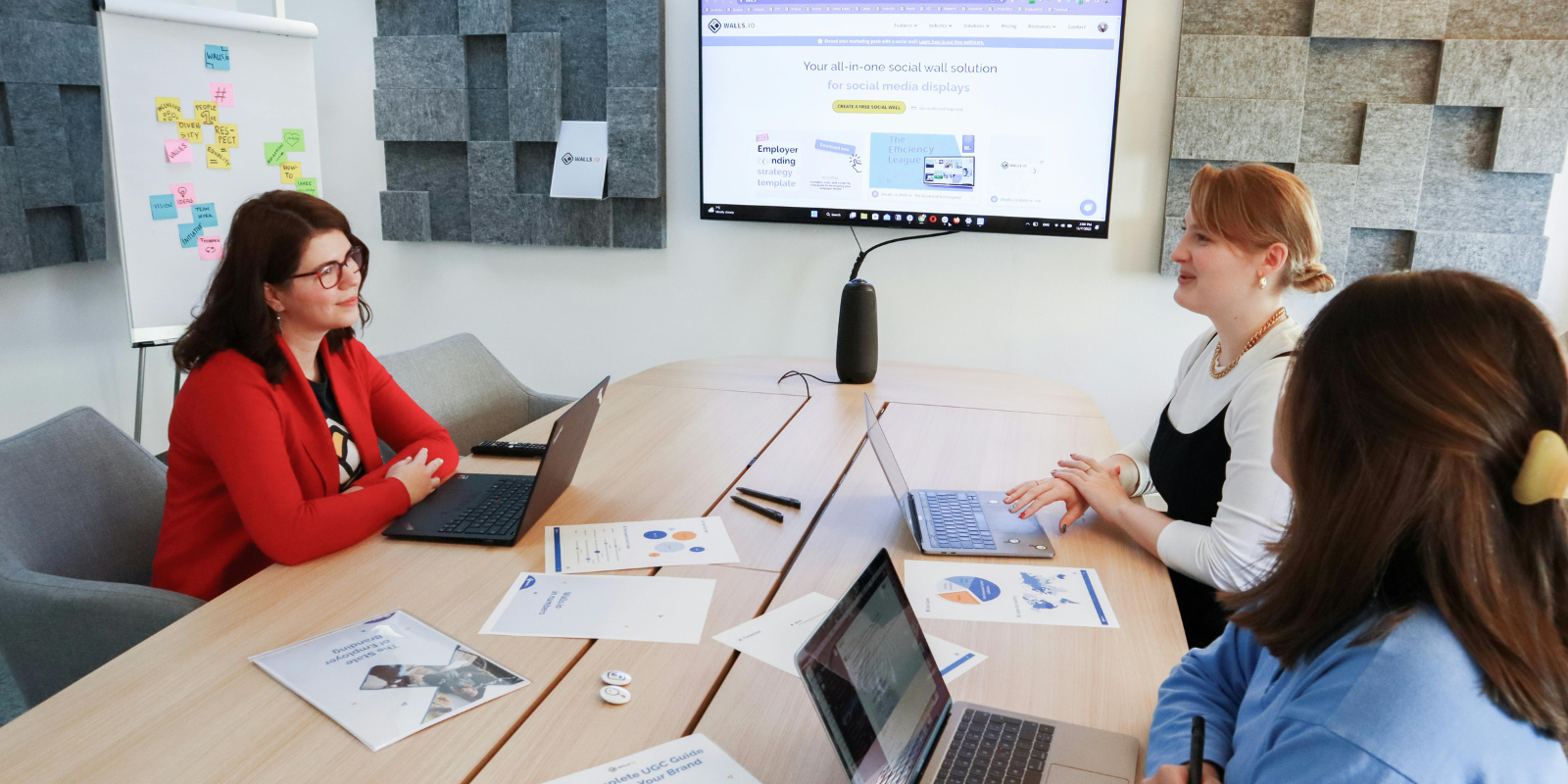
In today’s unpredictable and rapidly evolving business environment, one thing is certain—organizations must be prepared for change. Whether it is economic uncertainty, market disruptions, skill shortages, technological advancements, or unforeseen crises, companies need strategies that ensure operations continue without interruption. Workforce Planning for Business Continuity has emerged as a critical organizational priority that ensures businesses remain resilient, productive, and competitive—even during challenges.
Workforce planning is more than a hiring strategy. It is a forward-looking process that ensures the right people, with the right skills, are available at the right time. It helps companies anticipate talent needs, prepare for workforce risks, and build agile staffing models that support long-term continuity and stability.
✅ 1. What Is Workforce Planning?
Workforce planning is a strategic process that analyzes current and future staffing requirements to ensure a company has the talent it needs to achieve business objectives. It focuses on:
✔ Talent forecasting
✔ Skills evaluation
✔ Risk identification
✔ Succession planning
✔ Staffing models
✔ Recruitment strategies
✔ Workforce optimization
The primary goal is to align human resources with business continuity needs.
✅ 2. What Is Business Continuity and Why Is It Important?
Business continuity refers to an organization’s ability to maintain essential operations during unexpected disruptions, such as:
✔ Natural disasters
✔ Pandemics
✔ Market fluctuations
✔ Supply chain disruptions
✔ Workforce shortages
✔ Economic downturns
✔ Technology failures
Without proper workforce planning, even minor disruptions can cause:
❌ Operational downtime
❌ Loss of revenue
❌ Poor customer experience
❌ Missed deadlines
❌ Employee burnout
❌ Compliance failures
Workforce planning ensures resilience.
✅ 3. How Workforce Planning Supports Business Continuity
⭐ 1. Ensures Skilled Talent Availability
When businesses have planned staffing models, they can quickly fill roles—even during crises.
⭐ 2. Reduces Operational Disruptions
Backup staffing plans, cross-training, and temporary workforce models prevent downtime.
⭐ 3. Strengthens Organizational Agility
Companies can scale up or down quickly in response to market changes.
⭐ 4. Improves Decision-Making
Data-driven workforce forecasting helps leaders prepare for talent shortages or structural changes.
⭐ 5. Supports Regulatory Compliance
Prepared workforce systems help organizations meet legal and industry standards even during disruptions.
⭐ 6. Enhances Employee Morale
Employees feel more secure when organizations have clear continuity plans.
⭐ 7. Protects Customer Experience
Continuity of service builds trust and long-term customer loyalty.
✅ 4. Key Components of Strategic Workforce Planning
Effective workforce planning includes multiple components:
🟩 1. Workforce Analysis
Assess current workforce strengths, weaknesses, and skill gaps.
🟦 2. Demand Forecasting
Predict future staffing needs based on business goals, market trends, and seasonal fluctuations.
🟥 3. Gap Analysis
Identify gaps between current resources and future requirements.
🟨 4. Succession Planning
Plan successors for critical roles to avoid leadership voids.
🟪 5. Staffing Models
Use a mix of:
✔ Permanent employees
✔ Temporary workers
✔ Contract staff
✔ Remote teams
✔ Outsourced workforce
🟧 6. Risk Assessment
Identify workforce risks such as attrition, skill shortages, or absenteeism.
🟫 7. Business Continuity Integration
Align workforce planning with broader business continuity strategies.
✅ 5. The Role of Staffing Partners in Workforce Planning
Professional staffing agencies strengthen workforce planning by providing:
✔ Skilled temporary employees
✔ Contract-based workforce
✔ Permanent hiring support
✔ Industry-specific talent pools
✔ Compliance management
✔ Workforce analytics
✔ Rapid replacement support
✔ Scalable staffing models
Staffing partners help organizations maintain continuity even during disruptions.
✅ 6. Workforce Planning Tools & Technology
Modern workforce planning relies on tools such as:
📌 Talent analytics software
📌 Workforce management systems
📌 Scheduling automation tools
📌 Skill assessment platforms
📌 HR dashboards
📌 Performance tracking tools
📌 Scenario-planning models
Technology allows real-time visibility into workforce strengths, weaknesses, and risks.
✅ 7. Workforce Planning Strategies for Business Continuity
📌 1. Cross-Training Employees
Cross-training reduces dependency on individual employees and ensures backups are available.
📌 2. Building a Flexible Workforce Model
Use a mix of temporary, permanent, and on-demand staff for stability and agility.
📌 3. Implementing Succession Planning
Identify and train future leaders for critical business roles.
📌 4. Maintaining a Talent Pipeline
Keep updated candidate pools for urgent hiring requirements.
📌 5. Workforce Data Monitoring
Regularly track absenteeism, productivity, and employee engagement.
📌 6. Creating Contingency Staffing Plans
Prepare backup plans for emergencies, such as:
✔ Pandemic workforce models
✔ Remote working arrangements
✔ Shift restructuring
✔ Outsourced project support
📌 7. Employee Wellness Programs
Healthy, supported employees remain productive—even during disruptions.
✅ 8. Benefits of Workforce Planning for Business Continuity
⭐ 1. Reduced Downtime
Prepared teams respond faster to disruption.
⭐ 2. Cost Savings
Efficient staffing prevents overstaffing, understaffing, or emergency hiring expenses.
⭐ 3. Stronger Operational Efficiency
Employees are deployed based on skills and productivity needs.
⭐ 4. Improved Employee Retention
Clear career paths and stable leadership improve employee satisfaction.
⭐ 5. Better Crisis Preparedness
Organizations respond more effectively to unexpected events.
✅ 9. Industries That Depend on Workforce Planning
🏭 Manufacturing
🛒 Retail & FMCG
🚚 Logistics & Warehousing
🏥 Healthcare
💻 IT & Software
🏢 BPO & Customer Service
🏗 Construction
🛬 Aviation
🍽 Hospitality
Workforce disruptions in these industries can lead to major losses—making planning essential.
✅ 10. Common Workforce Risks & How Planning Solves Them
| Workforce Challenge | Solution Through Planning |
|---|---|
| High attrition | Create talent pipeline |
| Skill shortages | Training programs & upskilling |
| Sudden absenteeism | Temporary staffing backup |
| Leadership gaps | Succession planning |
| Seasonal workload | Flexible staffing models |
| Compliance issues | HR oversight & documentation |
| Crisis disruptions | Contingency workforce plans |
Workforce planning ensures that no single point of failure affects business continuity.
✅ 11. Workforce Planning in a Post-Pandemic World
The COVID-19 pandemic reshaped workforce strategies forever. Businesses now rely on:
⭐ Remote workforce models
⭐ Hybrid staffing solutions
⭐ Contingency staffing plans
⭐ Digital workforce tools
⭐ Emphasis on employee wellness
⭐ Global talent sourcing
Workforce planning has become central to business survival and growth.
✅ 12. Future of Workforce Planning
The future will be shaped by:
⭐ AI-driven workforce models
⭐ Predictive hiring analytics
⭐ Skill-based staffing
⭐ Global remote workforce
⭐ Digital labor platforms
⭐ Automation and robotics
⭐ Agile workforce structures
Organizations that adopt future-ready workforce planning will lead their industries.
✅ 13. Why Workforce Planning Is a Strategic Imperative
Businesses that invest in workforce planning achieve:
✔ Sustainable growth
✔ Strong resilience
✔ Lower operational risk
✔ Better resource utilization
✔ Stronger employee engagement
✔ Competitive advantage
Workforce planning is not just an HR function—it is a strategic business responsibility.
✅ 14. Conclusion
Workforce Planning for Business Continuity ensures that businesses can operate smoothly and effectively—regardless of challenges or disruptions. By preparing for future workforce needs, building flexible staffing models, strengthening leadership succession, and integrating risk management, workforce planning becomes a powerful tool for long-term stability.