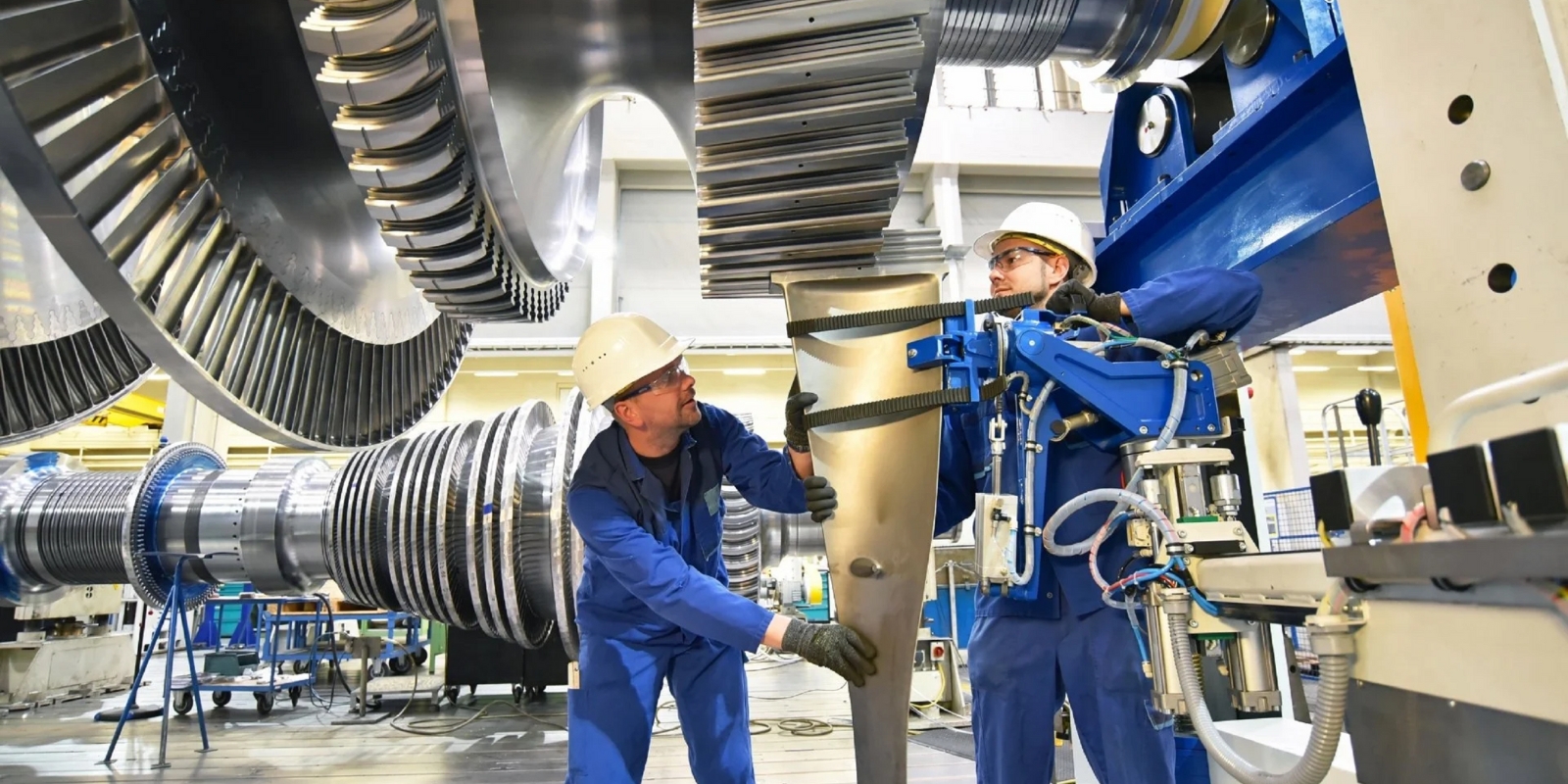
Production units are the backbone of manufacturing, industrial processing, and large-scale operations across sectors such as FMCG, automotive, engineering, textiles, electronics, pharmaceuticals, and heavy industries. At the heart of every successful production unit is a reliable, skilled, and disciplined workforce. This is why on-site manpower for production units plays a critical role in maintaining efficiency, meeting output targets, and ensuring operational continuity.
Unlike remote or centralized staffing models, on-site manpower places workers directly at the production facility, enabling real-time coordination, faster response, and better control over daily operations. From machine operators and assembly line workers to quality inspectors, helpers, and supervisors, on-site manpower ensures production runs smoothly without interruptions.
✅ 1. What Is On-Site Manpower for Production Units?
On-site manpower refers to workers deployed directly within a production facility to support manufacturing and operational activities. These workers are physically present on the shop floor and work under defined processes, shifts, and supervision.
On-site manpower typically includes:
✔ Machine operators
✔ Assembly line workers
✔ Helpers and loaders
✔ Quality control inspectors
✔ Maintenance assistants
✔ Packing and finishing staff
✔ Supervisors and shift in-charge
✔ Material handlers
This workforce ensures uninterrupted production flow and immediate problem resolution.
✅ 2. Why On-Site Manpower Is Essential for Production Units
Production environments are dynamic. Equipment breakdowns, sudden order increases, absenteeism, or quality issues require instant action. On-site manpower helps production units by:
✔ Maintaining continuous production
✔ Reducing downtime
✔ Improving coordination between teams
✔ Ensuring faster decision-making
✔ Supporting real-time quality control
✔ Handling urgent production demands
Without adequate on-site manpower, production delays and losses become unavoidable.
✅ 3. Key Roles in On-Site Production Manpower
🟦 Production Line Workers
✔ Assembly workers
✔ Process operators
✔ Line feeders
🟩 Machine Operators
✔ CNC operators
✔ Press machine operators
✔ Injection molding operators
✔ Packaging machine operators
🟥 Quality & Inspection Staff
✔ Quality checkers
✔ In-process inspectors
✔ Final inspection staff
🟨 Material Handling Staff
✔ Loaders and unloaders
✔ Store helpers
✔ Forklift assistants
🟪 Support & Maintenance Staff
✔ Maintenance helpers
✔ Tool room assistants
✔ Utility staff
🟫 Supervisory Roles
✔ Line supervisors
✔ Shift supervisors
✔ Production coordinators
Each role ensures productivity, safety, and output consistency.
✅ 4. Benefits of On-Site Manpower for Production Units
⭐ 1. Higher Productivity
On-site workers are focused solely on production tasks, improving output per shift.
⭐ 2. Reduced Downtime
Immediate availability of manpower helps handle breakdowns, adjustments, and delays quickly.
⭐ 3. Better Quality Control
Quality issues can be identified and corrected instantly on the shop floor.
⭐ 4. Faster Response to Demand Changes
Production units can scale manpower up or down based on order volume.
⭐ 5. Improved Supervision
Direct supervision ensures discipline, safety compliance, and performance monitoring.
⭐ 6. Cost Optimization
Efficient manpower utilization reduces overtime, rework, and wastage.
⭐ 7. Operational Stability
Consistent manpower ensures smooth day-to-day production without disruptions.
✅ 5. Challenges Faced by Production Units Without On-Site Manpower
Production units without structured on-site manpower often face:
❌ Frequent production delays
❌ High absenteeism impact
❌ Increased machine idle time
❌ Quality defects and rework
❌ Worker fatigue and burnout
❌ Poor shift coordination
❌ Safety incidents
On-site manpower solutions address these challenges effectively.
✅ 6. Types of On-Site Manpower Models
🟩 Permanent On-Site Manpower
Long-term workers for stable and continuous production operations.
🟦 Contract Manpower
Medium-term staffing for production cycles, expansions, or new product lines.
🟥 Temporary & Seasonal Manpower
Ideal for peak production periods, festive demand, or bulk orders.
🟨 On-Demand Manpower
Quick deployment to cover absenteeism, emergencies, or urgent requirements.
🟪 Outsourced On-Site Manpower
Complete workforce managed by a staffing partner, including hiring, payroll, and compliance.
Flexible manpower models help production units remain agile and competitive.
✅ 7. Importance of Skilled On-Site Workers
Skilled manpower improves production performance by:
✔ Operating machines efficiently
✔ Reducing material wastage
✔ Following standard operating procedures (SOPs)
✔ Maintaining product quality
✔ Ensuring workplace safety
✔ Meeting production targets
Skilled workers add long-term value to production units.
✅ 8. Role of Staffing Agencies in On-Site Manpower Deployment
Professional manpower agencies support production units by providing:
✔ Pre-screened and trained workers
✔ Fast deployment at production sites
✔ Replacement staff for absenteeism
✔ Payroll and statutory compliance
✔ Attendance and shift management
✔ On-site supervisors or coordinators
✔ Workforce performance tracking
This reduces administrative burden on production managers.
✅ 9. On-Site Manpower and Workplace Safety
Safety is critical in production environments. On-site manpower ensures:
✔ Adherence to safety protocols
✔ Proper use of PPE
✔ Safe machine handling
✔ Reduced accident risks
✔ Immediate response to safety incidents
Trained on-site workers help maintain a safe and compliant workplace.
✅ 10. Technology and On-Site Manpower Management
Modern production units integrate technology with manpower management:
📌 Digital attendance systems
📌 Shift scheduling software
📌 Productivity tracking tools
📌 Machine utilization dashboards
📌 Quality monitoring systems
📌 Workforce analytics
Technology improves transparency, efficiency, and decision-making.
✅ 11. Industries That Rely on On-Site Production Manpower
On-site manpower is essential for:
🏭 Manufacturing units
🚗 Automotive and auto components
📦 FMCG production plants
🧴 Consumer goods manufacturing
🧪 Pharmaceutical production
🧵 Textile and garment factories
⚙ Engineering and fabrication units
🔌 Electronics manufacturing
Any industry with physical production depends on on-site manpower.
✅ 12. How On-Site Manpower Supports Production Growth
As production units expand, on-site manpower helps by:
✔ Supporting higher production volumes
✔ Enabling new shifts or lines
✔ Speeding up new product launches
✔ Maintaining output quality
✔ Reducing operational stress
✔ Ensuring timely order fulfillment
Manpower scalability supports business growth.
✅ 13. Common Mistakes Production Units Make in Manpower Planning
❌ Understaffing critical shifts
❌ Ignoring skill requirements
❌ Poor supervision
❌ Lack of backup workforce
❌ Inadequate safety training
Strategic on-site manpower planning avoids these issues.
✅ 14. Future Trends in On-Site Production Manpower
The future will include:
⭐ Multi-skilled production workers
⭐ Human-machine collaboration
⭐ Digital workforce monitoring
⭐ Flexible shift models
⭐ Higher focus on worker safety
⭐ Data-driven manpower planning
Even with automation, human manpower remains essential.
✅ 15. Why On-Site Manpower Is a Strategic Advantage
On-site manpower is not just operational support—it is a strategic asset that:
✔ Improves production reliability
✔ Enhances efficiency
✔ Reduces costs
✔ Supports scalability
✔ Strengthens quality control
✔ Ensures business continuity
Strong production units are built on strong manpower foundations.
✅ 16. Conclusion
On-Site Manpower for Production Units is critical for achieving consistent output, operational efficiency, and long-term manufacturing success. With skilled workers present at the production floor, units can respond quickly to challenges, maintain quality standards, and meet demanding production schedules.