The FMCG (Fast-Moving Consumer Goods) industry is one of the most competitive markets, with thousands of brands fighting for shopper attention. In crowded retail shelves, consumer decisions often depend on visibility, product arrangement, and how well the brand stands out. This is why Merchandising Staff for FMCG Brands play a crucial role in driving sales, improving product availability, maintaining brand presence, and influencing customer buying behavior.
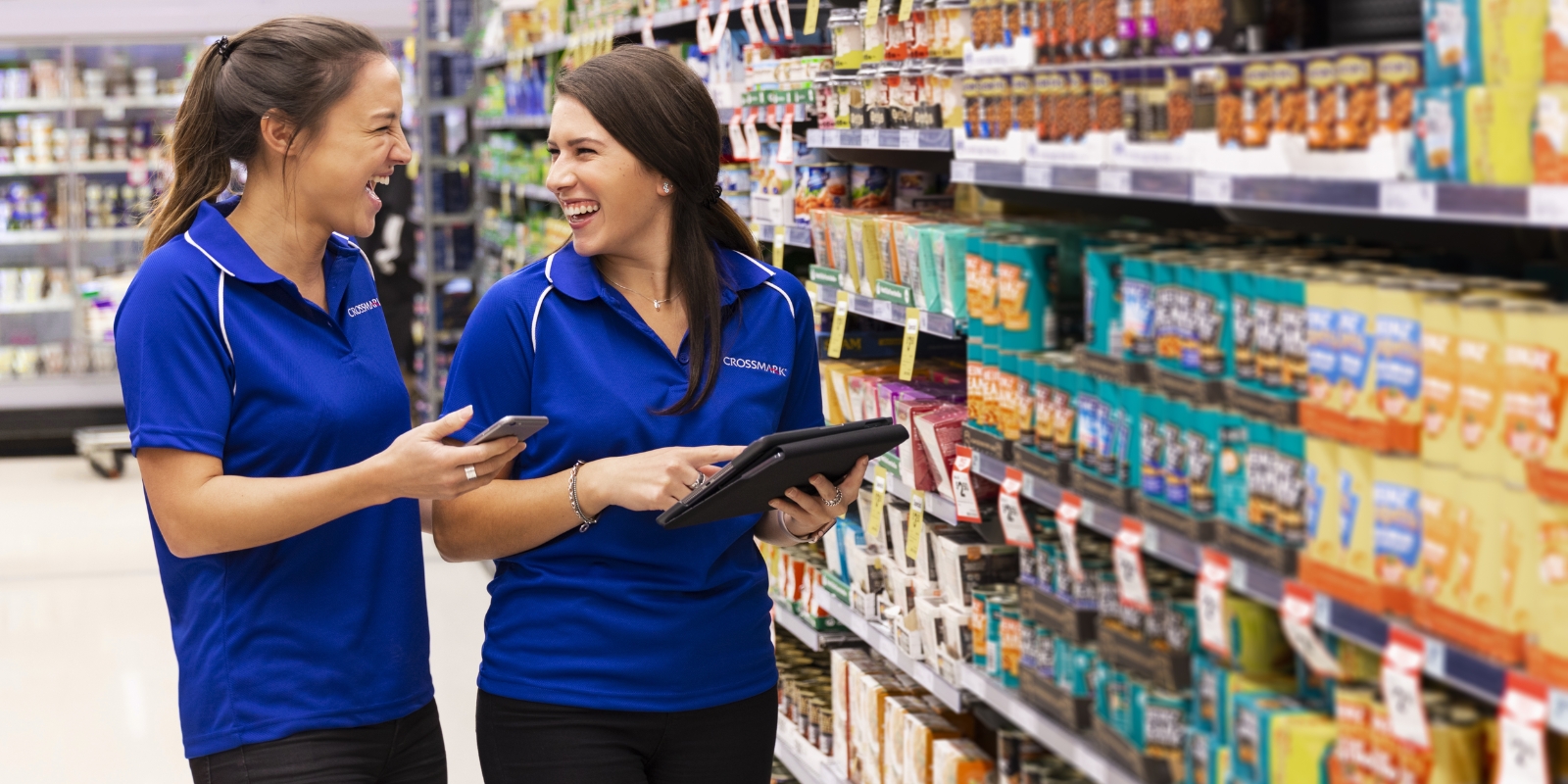
Merchandisers act as the frontline ambassadors of FMCG brands inside retail stores. They ensure that products are properly displayed, well-stocked, visually appealing, and placed in the right locations to attract customers. With retail formats such as supermarkets, hypermarkets, kirana stores, malls, and modern trade channels growing rapidly, FMCG brands depend heavily on merchandising staff to maintain visibility and ensure sales consistency.
✅ 1. Who Are Merchandising Staff?
Merchandising staff are trained professionals responsible for representing FMCG brands inside retail outlets. Their core responsibilities include:
✔ Stock replenishment
✔ Product display setup
✔ Shelf management
✔ FIFO (First-In, First-Out) rotation
✔ Promotional execution
✔ Inventory tracking
✔ POS material installation
✔ Competitor analysis
✔ Store visits and reporting
They ensure that the brand’s products are always available, visible, and presented in a way that increases sales.
✅ 2. Importance of Merchandising for FMCG Brands
FMCG brands compete aggressively for visibility, and the store shelf is where buying decisions are made. Merchandising ensures:
✔ Strong brand presence
✔ Higher product visibility
✔ Faster product movement
✔ Improved stock availability
✔ Better customer engagement
✔ Effective promotions
✔ Accurate market feedback
Without proper merchandising, even the best-selling FMCG products may lose market share.
✅ 3. Key Roles Performed by Merchandising Staff
🟦 1. Product Display & Visibility
Merchandisers arrange products attractively to catch customer attention.
🟩 2. Stock Replenishment
They refill shelves, ensure stock rotation, and prevent out-of-stock situations.
🟥 3. Planogram Implementation
They follow brand guidelines and ensure product placement consistency across stores.
🟨 4. POS Material Installation
Merchandisers place posters, danglers, wobblers, signage, and standees for promotions.
🟪 5. Store Coordination
They communicate with store managers to manage space, fix issues, and increase brand visibility.
🟫 6. Competitor Tracking
Regularly monitor competitor products, pricing, offers, and shelf share.
🟧 7. Reporting & Documentation
They provide daily or weekly reports on sales trends, stock levels, and market performance.
✅ 4. Benefits of Merchandising Staff for FMCG Brands
⭐ 1. Improved Product Visibility
Better product placement directly influences customer buying decisions.
⭐ 2. Increased Sales Conversion
Eye-catching displays and adequate availability lead to higher sales.
⭐ 3. Effective Promotion Execution
Merchandisers ensure that promotional offers are implemented correctly across stores.
⭐ 4. Reduced Stockouts
Continuous monitoring ensures products are always available on the shelf.
⭐ 5. Faster Product Movement
Well-managed shelves ensure smooth inventory turnover.
⭐ 6. Enhanced Brand Recall
Consistent branding and display strengthen customer trust.
⭐ 7. Accurate Market Feedback
Merchandisers provide real-time insights into:
✔ Market trends
✔ Customer preferences
✔ Competitor activity
These insights help brands make better decisions.
✅ 5. Why FMCG Brands Need Dedicated Merchandising Teams
✔ High Product SKUs
FMCG brands often manage 50–300 SKUs; merchandising ensures accuracy.
✔ Modern Trade Expansion
More supermarkets = greater need for dedicated merchandisers.
✔ Competitive Industry
Good merchandising creates a competitive edge.
✔ Rapid Inventory Movement
Fast-moving goods require constant shelf replenishment.
✔ Brand Promotions
Retail displays influence brand engagement and sales.
✅ 6. Types of Merchandising Staff for FMCG Brands
🟩 1. In-Store Merchandisers
Full-time in-store staff focused on daily shelf management.
🟦 2. Roaming Merchandisers
Travel to multiple stores daily to maintain displays.
🟥 3. Visual Merchandisers
Create attractive product displays and promotional setups.
🟨 4. Sales Promoters
Promote brand products, explain benefits, and influence purchase decisions.
🟪 5. Modern Trade Merchandisers
Specialized staff for hypermarkets, supermarkets, and large retail chains.
🟫 6. Territory Merchandising Supervisors
Manage and monitor teams across multiple store locations.
✅ 7. Challenges in FMCG Merchandising & How Staffing Solves Them
| Challenge | Impact | Staffing Solution |
|---|---|---|
| High attrition | Loss of store coverage | Continuous talent pipeline |
| Multi-store operations | Coordination issues | Roaming merchandisers |
| Seasonal demands | Out-of-stock issues | Temporary staffing |
| Lack of training | Poor execution | Trained merchandisers |
| Slow hiring | Visibility gaps | Fast deployment of staff |
Manpower solutions ensure uninterrupted merchandising operations.
✅ 8. Importance of Skill Training for Merchandisers
Skilled merchandisers deliver better results. Training improves:
✔ Retail communication
✔ Product knowledge
✔ Store relationship management
✔ Shelf arrangement techniques
✔ Barcode scanning and reporting
✔ Sales promotion skills
Skilled merchandisers drive sales more effectively.
✅ 9. Industries That Rely on Merchandising Staff
Merchandising is essential for:
🏪 FMCG brands (food, beverages, snacks, household goods)
🛒 Retail supermarkets
🧴 Personal care & beauty products
🍫 Confectionery and packaged foods
🍼 Baby care brands
🧽 Cleaning & hygiene brands
📱 Consumer electronics
🏥 Pharmaceutical OTC products
Retail presence is the key to market success in these industries.
✅ 10. How Manpower Agencies Support Merchandising Teams
Staffing partners offer:
✔ Trained and experienced merchandisers
✔ Quick replacement for absent staff
✔ Multi-store manpower deployment
✔ Compliance and payroll handling
✔ Reporting and tracking systems
✔ Supervisory structure for monitoring operations
✔ Hiring across multiple cities or regions
This ensures FMCG brands always have consistent merchandising support.
✅ 11. Technology in Merchandising Operations
Modern merchandising uses technology like:
📌 Mobile attendance apps
📌 GPS store tracking
📌 Digital reporting and photos
📌 Real-time stock updates
📌 Productivity dashboards
📌 Planogram compliance tools
Technology improves visibility, accuracy, and efficiency.
✅ 12. How Merchandising Improves Brand Performance
Effective merchandising results in:
✔ Higher sales
✔ Stronger market penetration
✔ Better shelf share
✔ Faster decision-making
✔ Enhanced customer experience
✔ Improved product positioning
A visible brand is a selling brand.
✅ 13. Future Trends in FMCG Merchandising
The future will see:
⭐ Data-driven merchandising
⭐ AI-based shelf analysis
⭐ Digital POP displays
⭐ Skill-based merchandiser training
⭐ Increased demand for multi-store merchandisers
⭐ Mobile app-based performance tracking
Brands that invest in modern merchandising will outperform competition.
✅ 14. Conclusion
Merchandising Staff for FMCG Brands are essential for ensuring strong product visibility, improving sales conversions, and maintaining a consistent brand presence across retail stores. Well-trained merchandisers bring order, accuracy, and efficiency to in-store operations—making them a critical part of FMCG success.